

Don’t Get Drained: Unpacking the True Cost of Sewage Cleanup
The Real Financial Impact of a Sewer Backup Emergency
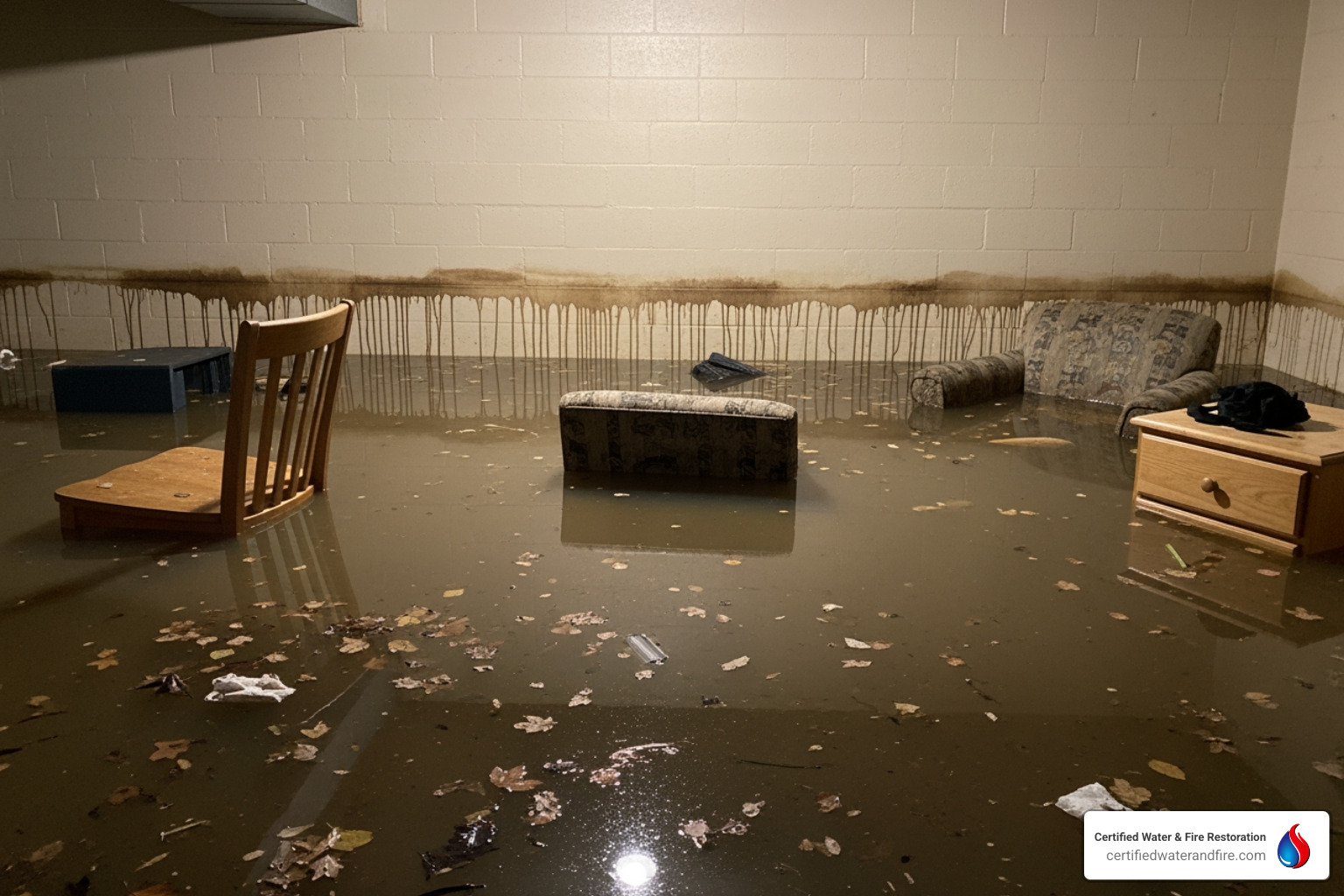
The cost to fix sewer backup typically ranges from $2,000 to $10,000 for cleanup and restoration, with underlying plumbing repairs adding another $150 to $25,000+ depending on the severity of the damage. Here’s what you need to know:
Quick Cost Breakdown:
- Minor cleanup (limited area, clean water): $2,000-$3,500
- Average sewage cleanup: $2,000-$7,000
- Extensive restoration (structural repairs): $7,000-$10,000+
- Clog removal (snaking): $150-$700
- Hydro-jetting: $400-$800
- Sewer line spot repair: $3,500-$13,000
- Full sewer line replacement: $5,000-$25,000+
- Cleanup cost per square foot: $7-$14
Dealing with a sewer backup is stressful, messy, and potentially dangerous. When wastewater flows back into your Texas home or business through floor drains, toilets, or tubs, you’re facing more than just a plumbing problem—you’re dealing with a serious health hazard that can contaminate your property with harmful bacteria like E. coli, Giardia, and Legionella.
The Centers for Disease Control states that raw sewage can introduce a person to many severe bacteria, making immediate professional intervention critical. Beyond the immediate health risks, sewage backups can cause extensive property damage to floors, walls, furniture, and your home’s structural integrity. The longer contaminated water sits, the more expensive the damage becomes.
Time is money when it comes to sewage damage. Acting quickly can mean the difference between a $3,000 cleanup and a $20,000 reconstruction project.
I’m Ryan Majewski, General Manager of Certified Water & Fire Restoration. For over a decade, I’ve helped hundreds of Texas property owners manage the cost to fix sewer backup emergencies. Understanding the full scope of potential costs is key to making informed decisions during a stressful time.
Key Takeaways
- Expect High Costs Quickly: Cleanup typically ranges $2,000–$10,000+, with sewer repairs adding up to $25,000+.
- Act Fast to Save Money: Delays increase damage and can turn a $3,000 issue into a $20,000 repair.
- Never Handle Sewage Yourself: Blackwater contains dangerous bacteria and requires professional cleanup and sanitization.
- Fix the Root Cause: Clearing clogs or repairing lines is essential to prevent repeat backups and added costs.
- Plan Ahead with Insurance: Standard policies often exclude backups—add sewer backup coverage to reduce financial risk.
Identifying the Problem: Causes and Warning Signs of a Sewer Backup
Before we dive deep into the cost to fix sewer backup, it’s crucial to understand what causes these unpleasant events and how to spot them early. A sewer backup isn’t just a random occurrence; it’s often a symptom of an underlying issue in your plumbing or the municipal sewer system.
Common causes of sewer backups include:
- Tree root intrusion: A frequent culprit in older homes, tree roots seek water and can infiltrate, block, and crack sewer pipes. Professional tree root removal can cost anywhere between $100 and $600.
- Clogged pipes: The most common cause, clogs form from a buildup of grease, hair, food, and non-flushable items like “flushable” wipes and paper towels. These items accumulate and block flow.
- Grease buildup: Poured down the drain, grease solidifies in pipes, catches debris, and forms tough blockages.
- Foreign objects: Toys, jewelry, hygiene products, and other items mistakenly or intentionally flushed down toilets can easily get stuck and cause a backup.
- Aging sewer systems: Common in areas like Houston and Dallas, older sewer lines made of clay or cast iron can deteriorate, crack, or collapse. Many U.S. sewer systems are over 30 years old and prone to failure.
- Heavy rainfall: Intense Texas storms can overwhelm municipal sewer systems, causing sewage to back up into homes through the lowest drains, especially in areas with older combined systems.
- City sewer main issues: The problem may be in the city’s main line, causing backups in multiple homes.
Ignoring these issues can lead to severe contamination and property damage. The Centers for Disease Control states that raw sewage can introduce a person to many severe bacteria, highlighting the serious health risks involved. For more information on preventing and dealing with these issues, you can learn more about Sewer Line Backup.
Early Signs of a Sewer Backup
So, how do you know if you’re experiencing a sewer backup before it becomes a full-blown disaster? Look out for these critical warning signs:
- Gurgling sounds: Strange noises from toilets or drains can indicate trapped air from a blockage.
- Slow drains: Multiple slow drains throughout your home suggest a main sewer line clog.
- Foul odors: A persistent sewage smell from drains is a clear sign of a problem.
- Multiple fixtures backing up: Water backing up in a shower when a toilet is flushed points to a main line issue.
- Water coming up floor drains: A classic sign of a sewer backup, especially in basements.
- Lush, green patches in your yard: Unusually green or soggy spots near your sewer line can indicate an underground leak.
If you notice any of these signs, don’t delay. Early detection and intervention can significantly reduce the severity of the damage and, consequently, the cost to fix sewer backup.
The Comprehensive Cost to Fix Sewer Backup
When a sewer backup occurs, the financial impact can be multi-faceted, involving not just the cleanup but also the repair of the underlying plumbing issue. Let’s break down the various costs you might encounter.
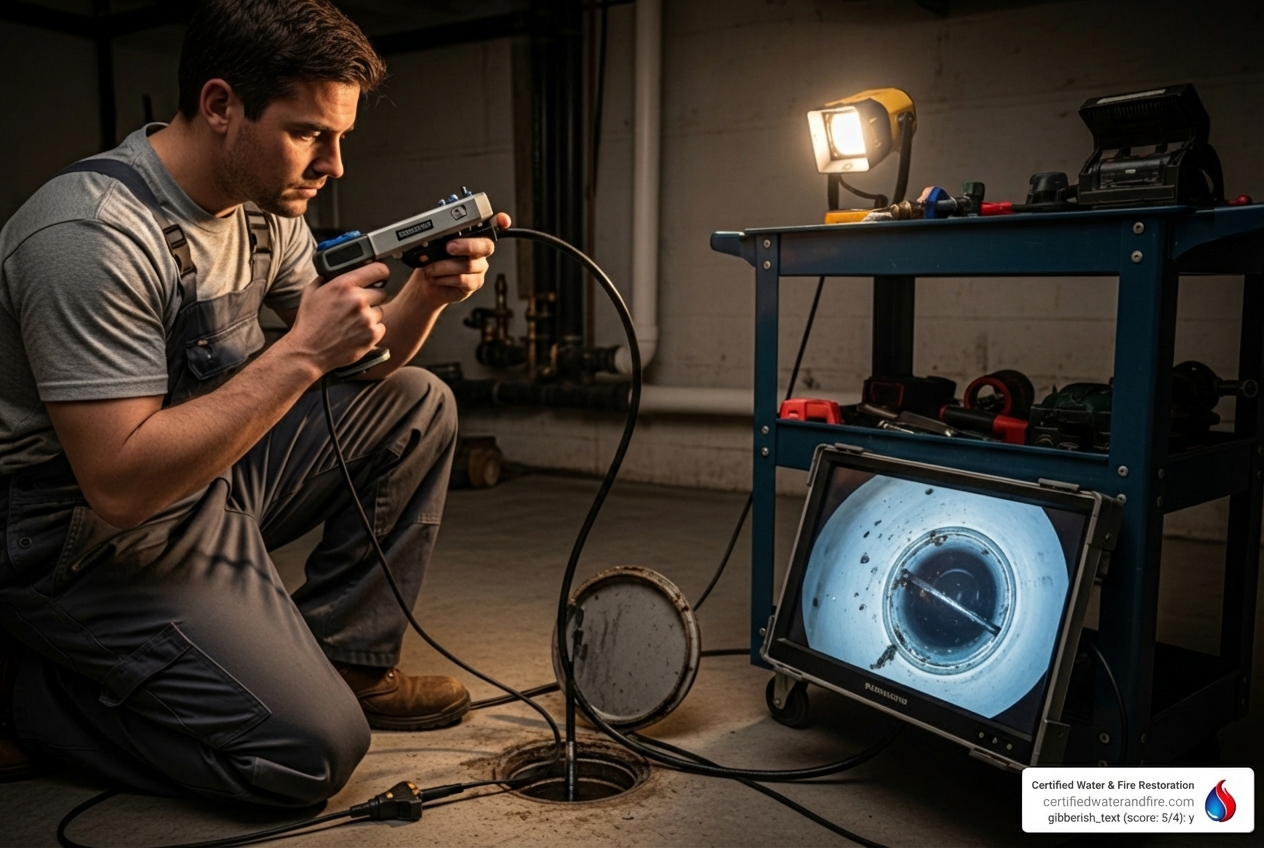
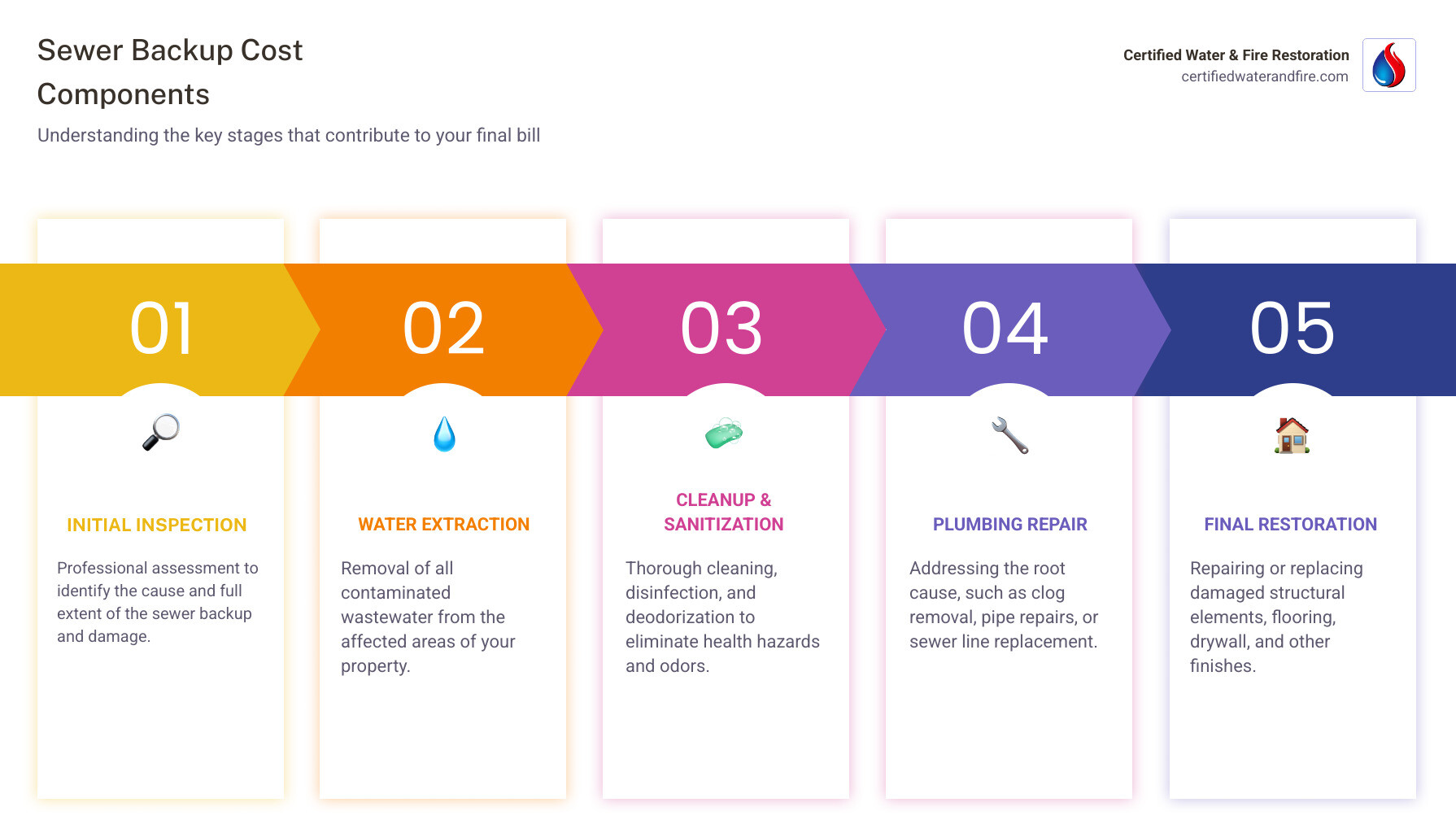
The first step is a professional assessment, often including a video camera inspection ($100-$500). This tool pinpoints the problem’s location and cause without extensive digging, saving time and money. Emergency service fees may apply for after-hours calls, which are common for sewer backups.
Average Sewage Cleanup Costs
Once the source is identified, the priority is cleanup and restoration. Raw sewage is Category 3 water damage—the most dangerous type—making professional cleanup essential. The Institute of Inspection Cleaning and Restoration Certification (IICRC) defines Category 3, or “blackwater,” as the most severe, requiring specialized handling.
The cleanup cost to fix sewer backup varies widely. On average, Texas homeowners pay $2,000 to $7,000. Minor cleanups might be $2,000 to $3,500, but extensive restorations with structural repairs can exceed $10,000.
The cleanup cost per square foot for sewage ranges from $7 to $14 and typically includes:
- Water extraction: Removing standing water with industrial pumps.
- Debris removal: Disposing of solid waste and contaminated materials.
- Sanitization: Cleaning and disinfecting all affected surfaces to kill pathogens.
- Deodorization: Using specialized equipment to eliminate foul odors.
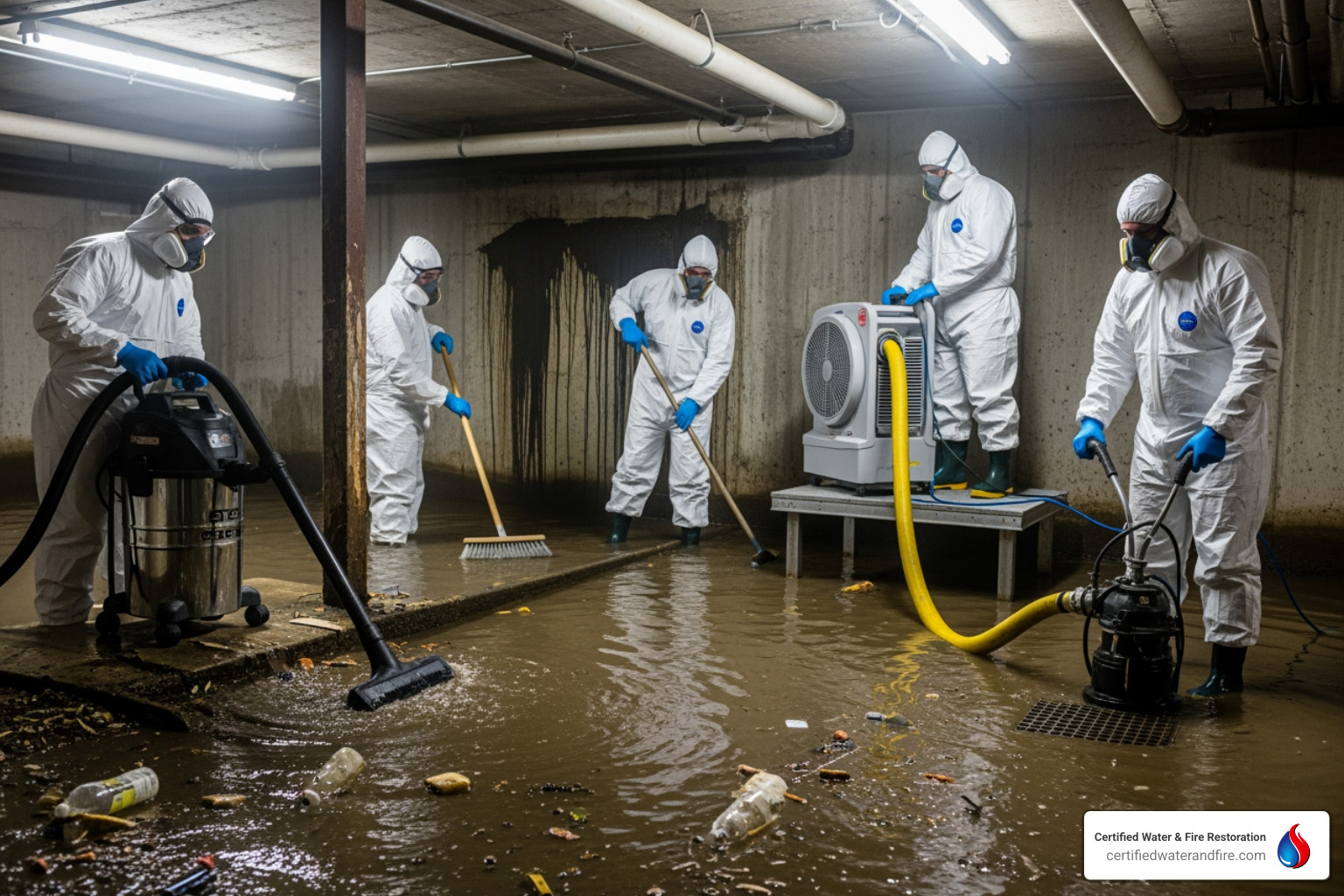
Our HAZWOPER-certified technicians at Certified Water & Fire Restoration are equipped to safely handle hazardous Category 3 sewage. For more on water damage categories and insurance, see our guide on Water Damage Categories and Insurance.
The Underlying Cost to Fix Sewer Backup: Plumbing Repairs
Beyond the immediate cleanup, you’ll need to address the root cause of the backup to prevent future occurrences. This involves plumbing repairs, which can range from simple clog removal to extensive sewer line work.
- Clog removal: For localized clogs, a plumber might use a snake or auger. The cost for snaking a sewer line typically ranges from $150 to $700 for a flat fee, or about $45-$150 per hour.
- Hydro-jetting: For more stubborn blockages, especially those with grease buildup or heavy debris, hydro-jetting is a powerful solution. This method uses high-pressure water to scour the inside of your pipes, clearing even the toughest clogs and cleaning the pipe walls. Hydro-jetting costs an average of $400 to $800.
- Tree root removal: If tree roots are the culprit, professional removal is necessary. This can involve chemical treatments, mechanical cutting, or even pipe repair if the roots have already damaged the line. The cost for professional tree root removal ranges from $100 to $600.
- Septic tank pumping: For homes not connected to a municipal sewer system, a full septic tank can cause backups. Septic tank pumping typically costs between $300 and $600, and it’s recommended every 18-22 months depending on usage.
These plumbing services are crucial to ensure your system is clear and functional. Our experts are well-versed in all aspects of Sewage Line Cleaning to address these issues effectively.
Major Repairs: Sewer Line Replacement Costs
Sometimes, the problem isn’t just a clog, but a damaged or collapsed sewer line, necessitating more significant repairs or even replacement. This can be the most expensive part of the cost to fix sewer backup.
The cost of sewer line replacement varies widely based on factors like the extent of the damage, the length of pipe needing replacement, the depth of the line, accessibility, and the chosen repair method. Minor localized repairs can start around $650, while more extensive replacement projects can range from $5,000 to $25,000 or even higher in extreme cases.
Here’s a comparison of common sewer line repair and replacement methods:
- Spot repair focuses on a specific damaged section of the sewer line. This can cost anywhere from $3,500 to $13,000, depending on the accessibility and extent of the damage. This is a viable option when the damage is localized and the rest of the pipe is in good condition.
- Full sewer line replacement is needed when the damage is extensive, the pipe has collapsed, or it has reached the end of its lifespan. This long-term solution can range from $5,000 to $25,000 or more. The cost is influenced by the length of the pipe, the depth it’s buried, and the type of material chosen.
Common pipe materials include:
- PVC (Polyvinyl Chloride): Lightweight, easy to install, and durable, PVC pipes are often the most affordable option. They can cost as little as $4.50 per linear foot and last up to 100 years.
- ABS (Acrylonitrile Butadiene Styrene): Similar to PVC but often more rigid, ABS pipes are also a popular and cost-effective choice.
- Cast Iron: Extremely durable and long-lasting (75-100 years), but more expensive and labor-intensive to install than plastic options. Cast iron pipe can cost $1,250-$3,800 for 50 linear feet of material.
- Copper: While excellent for water supply lines, copper is very expensive for sewer lines, costing as much as $85 per linear foot, though it offers superior durability.
Understanding these options is part of navigating your Ultimate Home Water Damage Guide.
What Factors Influence Your Final Bill?
The cost to fix sewer backup is rarely a one-size-fits-all figure. Several critical factors can significantly sway your final bill, turning a minor inconvenience into a major financial undertaking.
- Extent of damage: This is the most significant factor. A small, localized backup costs less than one that floods an entire basement or crawl space, as widespread contamination requires more extensive cleanup and reconstruction.
- Location and accessibility: A backup in an accessible, ground-level room is less costly to clean than one in a confined crawl space or finished basement, which often requires special equipment and has a higher mold risk.
- Materials affected: Hard surfaces like tile are easier to clean than porous materials like carpet, drywall, or wood flooring. Contaminated porous materials often must be removed and replaced, which drives up costs. For example, soaked drywall requires replacement and repainting, while contaminated furniture is often a total loss.
- Type of sewage: Not all water damage is created equal, especially when it comes to contamination levels. The IICRC categorizes water damage:
- Category 1 (Clean Water): From a sanitary source like a supply line. Not hazardous. Cleanup costs around $3.50 per square foot.
- Category 2 (Gray Water): Contaminated water from appliances (e.g., washing machine). Can cause illness. Cleanup costs about $5.25 per square foot.
- Category 3 (Blackwater): Highly contaminated and dangerous (e.g., sewage, floodwater). Poses severe health risks and requires professional cleanup, averaging $7.50 per square foot.
- Labor rates: Plumbing and restoration professionals charge hourly rates or flat fees. These rates can vary depending on your location in Texas (Houston vs. Dallas, for example), the complexity of the job, and whether it’s an emergency call. Plumber labor costs can range from $150 to $500 an hour, while restoration crews also have varying rates.
For a deeper dive into how these factors combine to determine your total bill, you can explore resources like How Much Does Sewage Backup Cleanup Cost? and our own guide on How Much Does It Cost to Repair a Water Damaged House?.
Additional Costs and Considerations
Beyond the immediate cleanup and plumbing repairs, several additional expenses can add to the total cost to fix sewer backup:
- Mold remediation: Sewage backups create an ideal environment for mold growth due to excess moisture and organic materials. If not addressed promptly, mold can spread quickly, causing further damage and health issues. Mold remediation can cost anywhere from $10 to $25 per square foot, with total costs ranging from $500 for a small area to $30,000 for whole-property remediation.
- Structural repairs: If the sewage backup has compromised structural elements like flooring, subflooring, drywall, or even the foundation, extensive repairs will be necessary. This can involve replacing damaged wood, sealing concrete, or rebuilding sections of your home.
- Ruined personal item replacement: The emotional and financial toll of losing personal belongings can be significant. Electronics, furniture, clothing, books, and sentimental items often cannot be salvaged after contact with blackwater and will need to be replaced.
- Temporary housing costs: If your home is uninhabitable during the cleanup and restoration process, you might incur costs for temporary accommodation, such as hotel stays or rental properties.
- Permit fees: Depending on the extent of the plumbing repairs or reconstruction, local building permits may be required, adding to the overall expense.
These additional costs highlight why a sewer backup is much more than just a plumbing issue. It’s a comprehensive property damage event that requires a multi-pronged approach. For insights into various types of property damage repairs, our Water Damage Repair resources can be helpful.
Dealing with the aftermath of a sewer backup can be financially daunting. Understanding your insurance coverage and implementing preventative measures are key to managing the cost to fix sewer backup. Think of it as proactive vs. reactive costs; investing a little upfront can save you a lot down the line. Our insights on Insurance can provide a broader context.
Does Homeowner’s Insurance Cover Sewer Backups?
A critical question is whether your insurance covers this. The answer is often no; standard homeowner’s insurance policies typically do NOT cover damage from sewer backups. Most policies exclude water that backs up through sewers or drains, viewing it as a maintenance issue. However, you can usually add a sewer backup endorsement (also known as a sewer and drain endorsement or water backup coverage) to your policy. This add-on is often inexpensive (around $5 to $6 per month) and provides significant coverage, typically $10,000 to $25,000, which is invaluable for cleanup and repair costs.
When a backup occurs, it’s crucial to:
- Document everything: Take photos and videos of the damaged areas and affected belongings.
- Contact your insurer immediately: Understand your specific coverage and the claims process.
- Hire professionals: Your insurer will likely require professional restoration for blackwater events.
Understanding the specifics of your policy and Texas’s restoration rules can help you steer claims more effectively. Our guide on Texas Restoration Rules, Insurance Codes, and Claim Requirements offers valuable information.
Proactive Prevention: How to Avoid Future Backups
An ounce of prevention is worth a pound of cure, especially when it comes to sewer backups. Taking proactive steps can significantly reduce your risk and potentially save you thousands in the cost to fix sewer backup.
- Regular plumbing inspections: Schedule annual inspections with a qualified plumber. They can identify potential issues like tree root intrusion or aging pipes before they become critical. A video camera inspection is particularly effective for this.
- Proper disposal of grease and wipes: Never pour cooking grease down the drain. Let it cool and solidify, then dispose of it in the trash. Avoid flushing anything other than human waste and toilet paper. “Flushable” wipes are a common culprit for clogs.
- Installing backwater valves: A backwater valve (also known as a backflow or backwater preventer) is a device installed in your sewer line that allows wastewater to flow out but prevents it from flowing back into your home, especially during heavy rainfall that can overwhelm municipal systems. While installation can be an upfront cost, it’s a powerful preventative measure against city sewer main backups.
- Managing tree roots near sewer lines: If you have large trees near your sewer lines, consider professional tree root removal or installing root barriers. Regular inspections can also catch early signs of root intrusion.
For more detailed strategies on protecting your home, especially in vulnerable areas like crawl spaces, check out our guide, Don’t Get Bogged Down: A Complete Guide to Crawl Space Sewage Cleanup.
How to Minimize the cost to fix sewer backup
Even with the best preventative measures, sometimes a sewer backup is unavoidable. When it happens, your immediate actions can significantly minimize the damage and the overall cost to fix sewer backup.
- Act quickly: The longer contaminated water sits, the more damage it causes, increasing the risk of structural issues and mold.
- Call an Emergency Water Company immediately: Professional 24/7 restoration services can prevent secondary damage and start the cleanup process without delay.
- Contain the spill: If safe to do so, try to contain the spread of the sewage using towels or barriers.
- Shut off water: If the backup is due to an internal plumbing issue, locate your main water shut-off valve and turn it off to prevent more water from entering your home.
- Protect valuables: Move any unaffected furniture, electronics, or personal items to a dry, safe area if it can be done without coming into contact with the sewage.
- Avoiding DIY cleanup for contaminated water: Never attempt to clean Category 2 (gray water) or Category 3 (blackwater) sewage yourself. The health risks from pathogens are too high. Professionals have the protective gear, equipment, and training for safe removal and sanitization. DIY cleanup can lead to serious health issues and may not meet insurance requirements.
Frequently Asked Questions about Sewer Backup Costs
We understand you have many questions when facing a sewer backup. Here are answers to some of the most common ones we hear from homeowners in Houston, Dallas, Irving, and Plano, Texas.
How do I know if my main sewer line is blocked?
Several signs point to a main sewer line blockage rather than a simple drain clog. If you notice:
- Multiple drains affected: Water backing up in more than one sink, tub, or toilet, especially on different levels of your home.
- Gurgling noises: Sounds coming from your toilet when you run water in a sink or shower.
- Water backing up in showers when flushing toilets: This is a classic indicator that the main line is struggling to drain.
- Foul smell from drains: A persistent sewage odor from multiple drains.
The most definitive way to confirm a main sewer line blockage and identify its exact location and cause is through a professional camera inspection. A plumber inserts a flexible camera into the line, providing a live video feed of the pipe’s interior.
Should I clean up a minor sewage spill myself?
No, due to the severe health risks, we strongly advise against attempting to clean up any sewage spill yourself, regardless of how “minor” it may seem. As discussed earlier, the Centers for Disease Control states that raw sewage can introduce a person to many severe bacteria.
Category 2 (gray water) and Category 3 (blackwater) water—which includes all sewage—contain harmful pathogens. Even a seemingly small spill can spread microscopic contaminants throughout your home, leading to illness, odors, and mold growth. Professional cleanup and sanitization are essential to ensure the affected area is thoroughly disinfected, dried, and safe for occupancy. Restoration experts have the proper personal protective equipment (PPE), cleaning agents, and drying equipment to handle these hazardous situations safely and effectively.
How long does sewage cleanup and restoration take?
The timeline for sewage cleanup and restoration varies significantly, ranging from a few hours for very minor, contained incidents to several days or even weeks for extensive damage. The duration depends on:
- The extent of damage: How large an area is affected and how deep the contamination goes.
- Materials affected: Porous materials like carpet, drywall, and insulation take longer to dry and often need removal.
- Drying time required: Even after water extraction, structural drying can take 3-5 days for minor damage and 2-4 weeks for more extensive saturation, especially in humid Texas climates.
- Reconstruction needs: If structural elements, flooring, or walls need to be replaced, this can add anywhere from one week to several months to the overall project.
A professional assessment from a restoration company will provide you with an accurate timeline custom to your specific situation. Our team at Certified Water & Fire Restoration prioritizes efficient and thorough restoration to get your property back to normal as quickly as possible.
Get Professional Help to Manage Your Sewage Damage
Navigating the cost to fix sewer backup can feel overwhelming, but you don’t have to face it alone. From the initial cleanup to the final repairs, professional restoration and plumbing services are indispensable. Prioritizing health and safety should always come first when dealing with hazardous blackwater.
At Certified Water & Fire Restoration, we understand the stress and urgency that comes with a sewer backup. That’s why we offer:
- 24/7 emergency service: Disasters don’t keep business hours, and neither do we. We’re always ready to respond.
- Rapid 60-minute response time: For our clients in Houston, Dallas, Irving, and Plano, Texas, our team is committed to arriving quickly to assess the situation and begin mitigation.
- 2-year warranty: We stand by the quality of our work, giving you peace of mind long after the cleanup is complete.
- No upfront costs & direct insurance billing: We work directly with your insurance company, handling the paperwork so you can focus on what matters most.
Don’t let a sewer backup drain your finances or compromise your health. Take immediate action and call the experts. Our certified professionals are ready to tackle the mess, eliminate odors, and restore your home or business to its pre-damage condition.
Contact us immediately for professional sewage damage restoration and let us help you get your property—and your life—back on track.
