

Home water damage: 3 Critical Steps
Understanding Home Water Damage
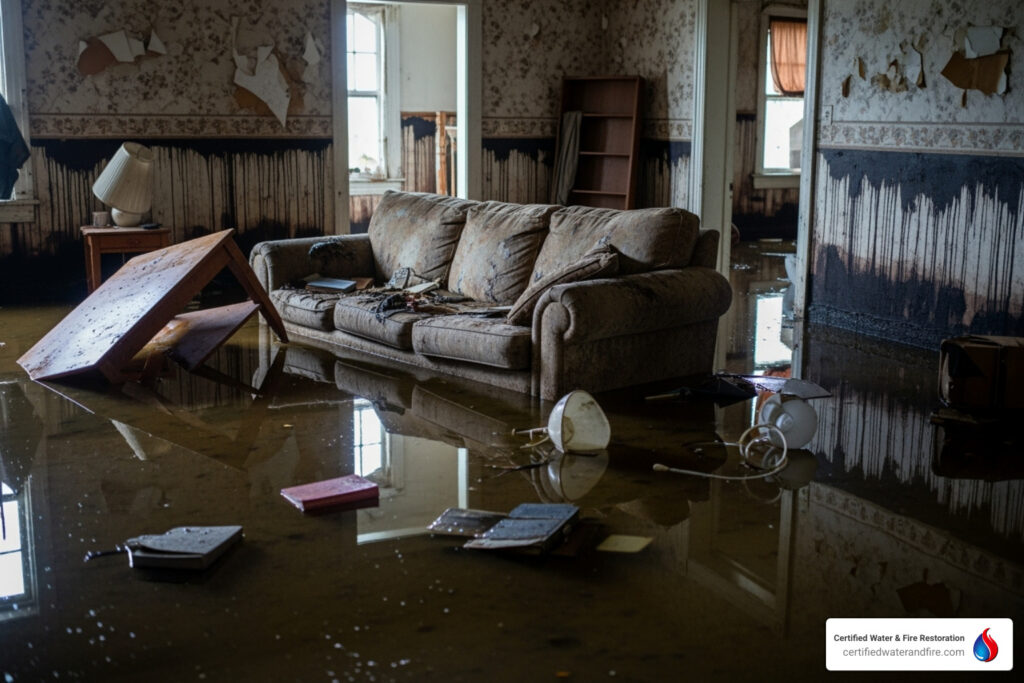
Home water damage is any physical harm to your property from unwanted water contact. This can stem from leaks, burst pipes, floods, or even appliance failures. It’s one of the most common and costly problems homeowners face.
Here’s a quick overview of what you need to know:
- What it is: Any unwanted water causing physical harm to your property.
- Common Causes: Leaks, burst pipes, floods, or appliance failures.
- Prevalence: It’s one of the most common and costly home disasters.
- Speed of Damage: Mold can start growing in as little as 24-48 hours.
- Key Risks: Structural damage, health hazards (like mold), and ruined belongings.
Unexpected water can quickly turn your home into a hazard zone. From a tiny leak to a major flood, the impact is swift and serious. Knowing how to act fast can save you a lot of trouble and money.
This guide will help you understand home water damage. We’ll cover what causes it, how it affects your home, and what steps you need to take.
I’m Ryan Majewski, General Manager of CWF Restoration. With over a decade in the property restoration industry, I specialize in helping clients recover from water, fire, and storm damage, making me a trusted voice for addressing home water damage.
Common Causes and Telltale Signs of Water Damage
Water damage can sneak up on you in many ways. Sometimes, it announces itself with a sudden, dramatic gush. Other times, it’s a sly, creeping problem, leaving subtle clues that are easy to miss. Understanding where water damage comes from and how to spot its early signs can save you a whole lot of headache (and money!).
Common Causes of Home Water Damage
Home water damage is a top concern for homeowners, sitting right behind wind and hail when it comes to insurance claims. It’s a costly problem, with about 1 in every 60 homeowners filing a claim for water damage each year. The average cost? Around $12,500. Just imagine, Florida, for example, has the second-highest number of water damage insurance claims in the entire U.S. This shows just how common and serious this issue can be!
So, what are the usual suspects behind home water damage?
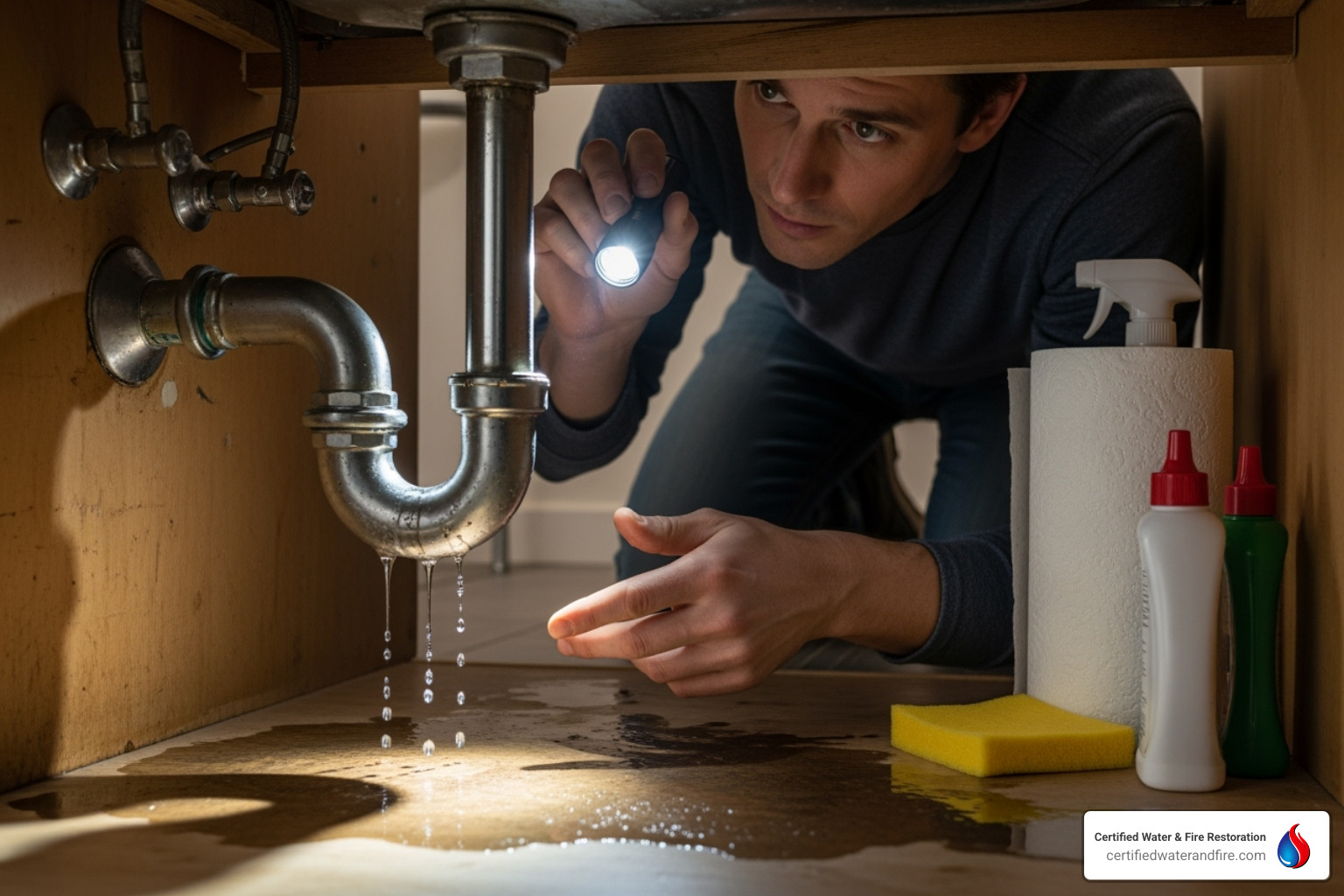
First up are plumbing issues. This is a big category! Think about those sudden burst pipes that turn your kitchen into an indoor pool, or the sneaky leaky appliance hoses connected to your washing machine or dishwasher. Even an overflowing toilet or sink can quickly make a huge mess. A small drip might seem harmless, but if left alone, it can become a huge problem.
Then there are appliance failures. Beyond just hoses, the appliances themselves can betray you. Your water heater might decide to corrode and burst, or your dishwasher could leak from its seals. Even refrigerators can have issues with their ice makers or water lines. These often happen in hidden spots, like behind cabinets or in the basement, so you might not notice until the damage is already significant.
Don’t forget your HVAC systems! Your heating, ventilation, and air conditioning unit can also be a source of trouble. Condensation lines can get clogged or break, sending water pooling into your attic or ceiling.
And of course, weather events can be brutal. Heavy rainfall, hurricanes, tornadoes, and even just torrential downpours can cause serious water damage. This includes roof leaks that let water pour into your home, or widespread flooding that can devastate your property. If you’re in Texas, you know how wild the weather can get! For more on protecting your home from nature’s fury, especially severe weather, check out our guide on Storm Damage Repair.
Often overlooked are clogged gutters. If your gutters are packed with leaves and debris, rainwater can’t drain away properly. Instead, it overflows and pools around your home’s foundation, potentially seeping into your basement or even causing roof damage.
Over time, your home’s foundation can develop foundation cracks. These tiny openings can become entry points for groundwater, allowing it to seep into your basement or crawl space. This leads to constant dampness and can even weaken your home’s structure.
If you have a basement, sump pump failure is a major concern. This little device is crucial for pumping out excess water. If it fails due to a power outage or a mechanical hiccup, your basement can quickly fill up with water.
And finally, the one nobody wants to talk about: sewer backups. Blockages in municipal sewer lines or your home’s main drain can cause raw sewage to back up into your toilets, sinks, and bathtubs. This is a messy, hazardous, and very unpleasant form of water damage.
Not all water damage is obvious. Sometimes, water works its way into unseen areas before you notice anything amiss. Knowing the subtle signs is key to catching problems early, before they get out of hand:
Keep an eye out for peeling paint or wallpaper. If your paint is bubbling or flaking, or your wallpaper is lifting away from the walls, it’s often a sign of water saturation behind the surface. It’s water trying to escape!
Notice any dark or wet spots on your ceilings, walls, or floors? These spots, often yellowish or brownish, are like silent alarms, telling you water has seeped through. Even if a spot feels dry now, it could mean a past leak or one that comes and goes.
Your nose can be your best detector! A persistent musty odor, especially in basements, bathrooms, or near appliances, is a strong indicator of mold or mildew growth. These unwelcome guests absolutely love damp conditions. Even if you don’t see water, you might just smell it.
If your beautiful warped wood floors are buckling, cupping, or swelling, they’re crying out for help. When floorboards no longer lay flat or have noticeable gaps, water could be the culprit, soaking into the wood.
When ceilings start sagging or walls feel soft and spongy to the touch, it’s a critical sign. Drywall and plaster can absorb a lot of water, and if they’re drooping, it means significant water saturation and potential structural trouble.
A sudden, unexplained jump in your utility bills, especially your water bill, could be a sign of a hidden leak in your plumbing system. Keep a watchful eye on your monthly usage numbers.
And finally, if you see visible mold – those fuzzy black, green, or white patches on surfaces – you’ve definitely got a moisture problem that needs immediate attention. It’s a clear sign that water has been present for a while.
Immediate Steps to Take When You Find Water Damage
Finding home water damage can feel like a punch to the gut, but acting quickly and calmly is absolutely crucial to minimize its impact. Your immediate response can make a world of difference, significantly reducing the extent of damage and the overall cost of repairs.
Your Emergency Action Checklist
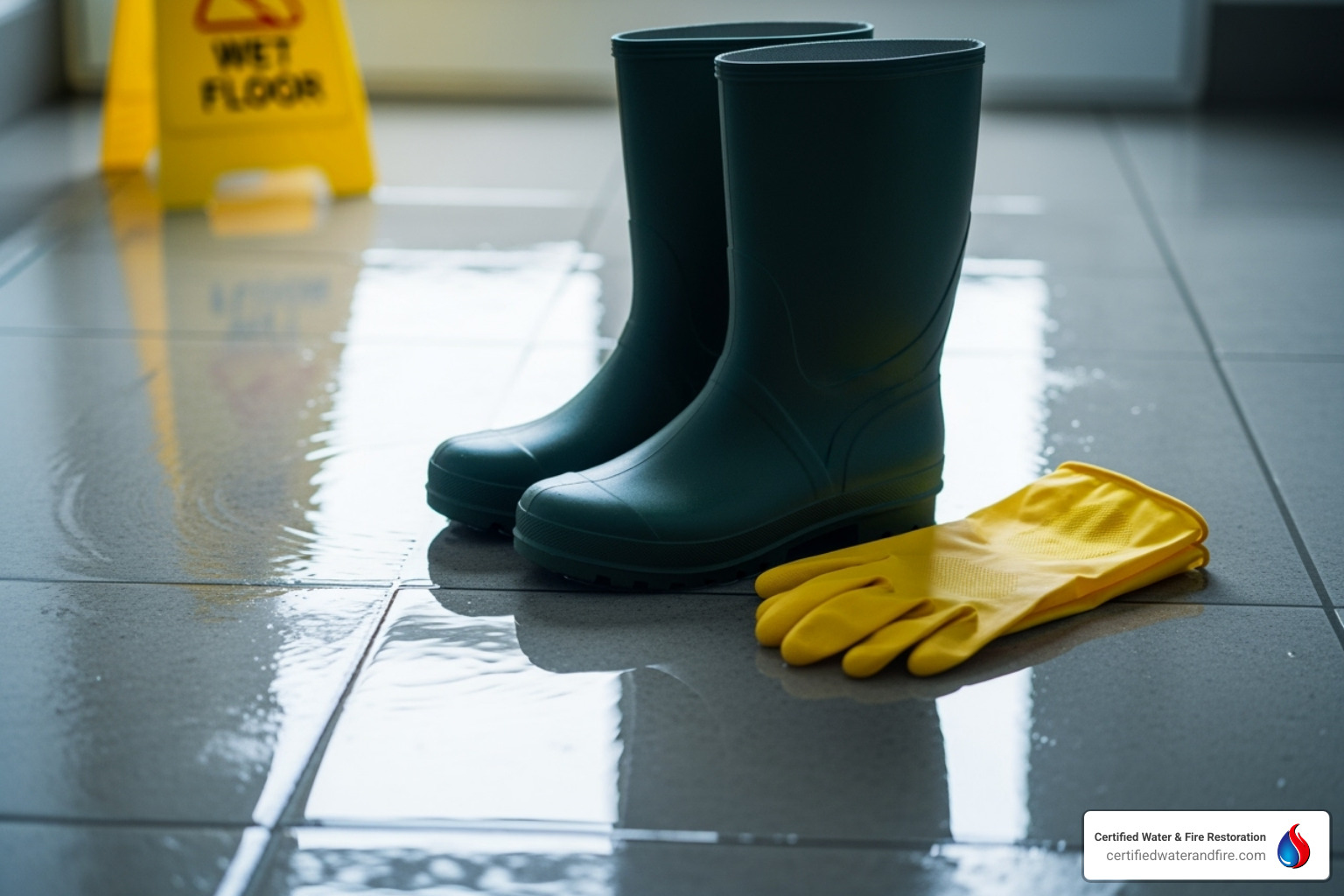
When water unexpectedly invades your home, your immediate actions are super important. Think of it like a quick-response team for your home! Safety is always your first priority, so let’s walk through what to do right away.
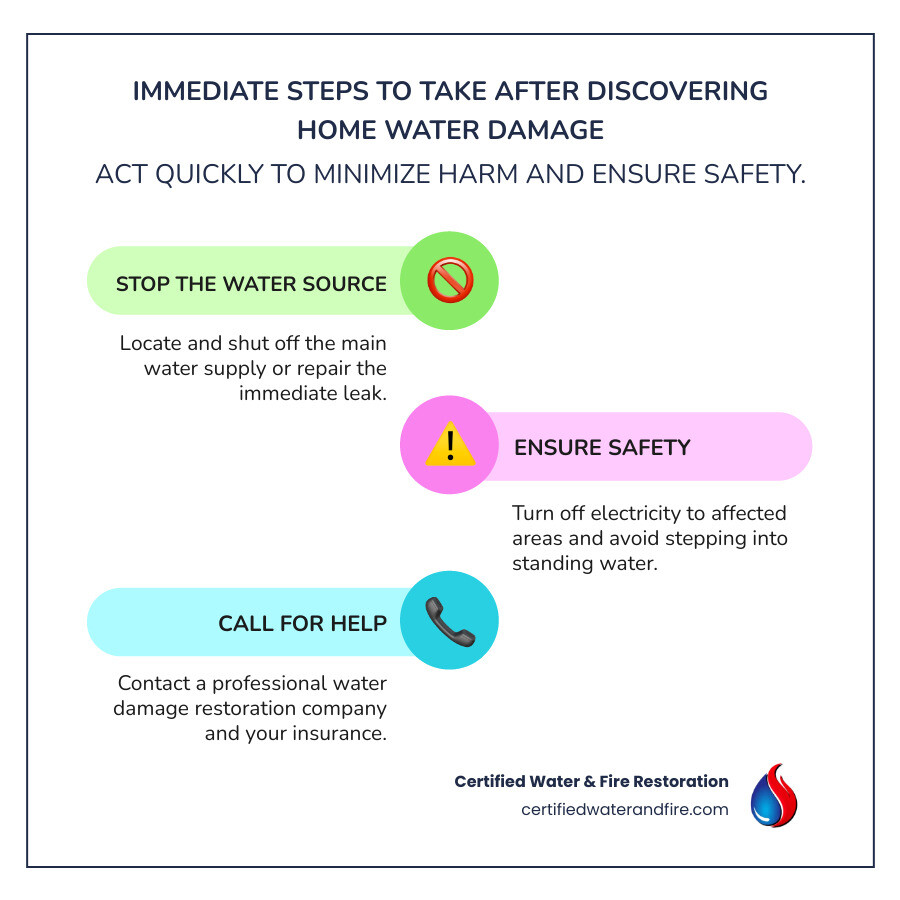
First things first, you need to stop the water source. This is the absolute most critical step. Whether it’s an overflowing sink, a mischievous appliance hose, or a burst pipe, find that water supply and shut it down. If you can’t pinpoint the exact spot, or if the water is spreading quickly, head straight for your home’s main water shut-off valve and turn off the water to the entire house. Knowing where this valve is before an emergency strikes is a true homeowner superpower!
Next, and this is a big one: turn off circuit breakers. Water and electricity are a dangerous duo, and we want to keep everyone safe. If there’s standing water near outlets, appliances, or anywhere electrical, do not wade into it. Make a beeline for your electrical panel and switch off the power to the affected areas. When in doubt, or if the water is widespread, just hit the main breaker for your whole home. Better safe than sorry!
Once the water flow is stopped and the power is safely off, it’s time to remove excess water. Every minute counts! For smaller puddles, grab towels, mops, and buckets. For larger amounts of standing water, a wet/dry vacuum (you might call it a shop vac) will be your best friend. The quicker you get that water out, the less time it has to cause more damage and invite unwelcome guests like mold.
Now, let’s protect your belongings. Move furniture, electronics, precious artwork, and anything else valuable to a dry, safe spot. If some furniture is too heavy to move, you can place aluminum foil or wood blocks under the legs. This simple trick prevents water from soaking into the furniture and keeps those annoying rust stains from metal legs off your floors.
Before things get too chaotic, remember to document the scene. This might feel strange in the moment, but take photos and videos of everything – the water source, the affected areas, and any damaged items. This visual evidence will be incredibly helpful when you talk to your insurance company. The more details you have, the smoother your claim process will likely be.
Finally, and this step is crucial: call for help. This means reaching out to your insurance company to start the claims process. But even more importantly, it means contacting professional water damage restoration experts. They have the specialized equipment and expertise to properly dry out your home and prevent long-term issues. For our Texas homeowners, if you’re dealing with a burst pipe, our guide, “What to Do When Your Pipes Burst: A Step-by-Step Guide for Texas Homeowners,” offers even more detailed advice.
The Damage Progression Timeline
Time is absolutely critical when it comes to home water damage. The longer water sits, the more severe and costly the damage becomes.
Within Minutes: As soon as water infiltrates a home, it starts to spread contamination. Flooring and furniture become soaked and damaged, and drywall soaks up water from the floor like a sponge. Water can quickly wick up walls, saturate insulation, and begin to damage electrical components.
Within 24-48 Hours: This is the critical window. Mold can begin to develop within the first 24 hours of a water damage incident. Water-logged furniture starts to swell, humidity levels rise, and unpleasant odors become noticeable. Floors may begin to buckle, and paint or wallpaper can peel. The risk of serious health issues from mold exposure, such as coughing, wheezing, and skin irritation, increases significantly.
Within a Week: If water damage isn’t addressed within this timeframe, the problems escalate dramatically. Mold will spread extensively, potentially requiring professional remediation. Wood structures (framing, subfloors) can warp, rot, and weaken, compromising your home’s structural integrity. Metal components will corrode. Contamination spreads, making cleanup more hazardous. Repair and restoration costs increase significantly, potentially reaching tens of thousands of dollars, as more materials become unsalvageable.
Understanding Home Water Damage: Categories, Health Risks, and Costs
Not all water is created equal when it comes to damage. Think of it like this: a spilled glass of clean water is a minor mishap, but a burst sewage pipe is a full-blown biohazard. The type of water involved dramatically dictates the severity of the health risks and the complexity of the cleanup. Understanding the different categories of water damage, the potential health hazards, and the financial implications is absolutely key to a successful and safe recovery process.
The 3 Categories of Water
The experts in our industry, guided by the Institute of Inspection, Cleaning and Restoration Certification (IICRC), classify water into three categories. This isn’t just for fun; it helps us determine the right steps to take to keep you and your home safe. These categories are based on the water’s source and its potential for contamination.
Here’s a quick look at the three main types of water you might encounter during a home water damage event:
| Category | Source | Contaminants | Required Response |
|---|---|---|---|
| Category 1 (Clean Water) | Broken pipes, overflowing sinks/tubs (clean water supply), appliance malfunctions (water heater, washing machine supply line), melting ice/snow, rainwater through a hole in the roof. | No significant health risk. Minimal contaminants. Can degrade to Category 2 or 3 if not addressed quickly. | Extraction, drying, cleaning, sanitization. Materials may be salvageable. |
| Category 2 (Grey Water) | Toilet overflows (no feces), dishwasher/washing machine discharge, sump pump failures, broken aquariums. | Significant contamination. Contains chemicals, microorganisms, and nutrients for mold growth. Can cause illness if ingested. | Immediate removal. Affected porous materials (carpet, drywall) often require removal and disposal. Professional cleaning and sanitization. |
| Category 3 (Black Water) | Sewage backups, river/sea flooding, ground surface water flowing into a home, toilet overflows containing feces. | Grossly contaminated. Contains pathogenic agents, toxins, and other harmful substances. Highly hazardous. | Immediate evacuation of occupants. Specialized HAZWOPER training for technicians. Complete removal and disposal of all affected porous materials. Extensive cleaning, sanitization, and deodorization of non-porous surfaces. Structural drying. |
Health Hazards and Mold Growth
When water makes an unwelcome appearance in your home, especially if it sits for a while, it creates the perfect breeding ground for mold and bacteria. These sneaky invaders can pose some serious health risks to you and your family.
Mold exposure can lead to a range of uncomfortable symptoms. You might notice coughing, wheezing, or sneezing, along with nasal stuffiness, skin irritation, and even itchy eyes. For anyone with existing asthma or allergies, these symptoms can be much more severe. Prolonged exposure to mold spores can really hit your respiratory system hard, making existing conditions worse or even causing new ones to pop up.
Beyond mold, contaminated water (especially Category 2 or 3) can bring in harmful bacteria and viruses. If you come into contact with this water, you could be at risk of bacterial infections. This is another big reason why quick action and professional help are so important.
To prevent mold growth and keep your home feeling fresh, it’s super important to keep your indoor humidity levels in check. We always recommend aiming for below 60% humidity. Ideally, you want to keep your home between 40-60%. If it climbs higher than 60%, you’re just inviting mold and further home water damage issues. For great guidelines on how to clean up and protect your indoor air quality after water damage, definitely check out the tips from the Environmental Protection Agency.
The Financial Impact of Water Damage
Let’s talk about the dreaded dollar signs. Home water damage isn’t just inconvenient; it’s one of the costliest disasters a home can experience, racking up billions of dollars in repairs annually across the country. The final bill can swing wildly depending on how bad the damage is, what kind of water caused it, and most importantly, how quickly you tackle the problem.
On average, a water damage claim can cost around $12,500. That number might seem high, but it really shows that even what seems like a small leak can lead to some surprisingly big repair bills if not handled swiftly and correctly. When we look at costs per square foot, you can expect mitigation for clear water damage (Category 1) to be around $4 per square foot. But if you’re dealing with black water damage (Category 3), that cost jumps to roughly $8 per square foot due to the serious contamination.
It’s also helpful to understand the difference between mitigation and restoration costs. Mitigation is all about stopping the bleeding: getting the water out, drying everything thoroughly, and preventing further damage. Restoration, on the other hand, is the rebuilding phase – replacing drywall, flooring, and getting your home back to normal. While water mitigation might range from $1,300 to $5,200, the full restoration can be anywhere from a few hundred dollars for minor fixes to a whopping $100,000 for major remodels after severe damage. For a more detailed breakdown of what you might expect, take a look at our guide: How Much Does It Cost to Repair a Water Damaged House?.
A few factors really make a difference in the final price tag. The size and extent of the damage are obvious — bigger affected areas mean more work and higher costs. The type of water is also crucial; Category 3 water is always more expensive to clean up because of the biohazards involved. What materials were affected plays a role too. Porous materials like drywall, insulation, and carpet often need to be completely removed and replaced, while hard surfaces might just need a good cleaning and drying. Repairing structural damage can cost between $1,500 to $10,000, depending on its severity. And finally, the speed of response is perhaps the most critical factor. Delaying repairs dramatically increases costs as mold spreads and your home’s structural integrity becomes even more compromised. Acting fast truly saves you money in the long run!
The Professional Response: Mitigation vs. Restoration
When you’re dealing with significant home water damage, it can feel overwhelming. But knowing the difference between “mitigation” and “restoration” is incredibly important. Think of these as two separate, but equally vital, steps in bringing your home back to normal.
One is about stopping the immediate crisis, and the other is about rebuilding. Understanding both will help you steer the recovery process with confidence.
Water Mitigation: Stopping Further Damage
Imagine your home just experienced a sudden flood or a burst pipe. Water mitigation is the urgent, first-response phase. It’s like emergency first aid for your home! The main goal here is to stop any more damage from happening and stabilize your property.
First, professionals quickly get to work removing all that unwanted water. They use powerful pumps and specialized wet/dry vacuums to extract standing water. The faster this water is gone, the less time it has to soak into your belongings and structures.
Next, it’s all about drying things out thoroughly. This is where professional equipment truly shines! High-powered air movers (those big fans you might see) and commercial-grade dehumidifiers are brought in. These tools pull moisture out of everything – from your drywall to your carpets and even the air itself. This step is absolutely crucial for preventing nasty mold growth. We even use advanced techniques for Hardwood Floor Drying and Carpet Drying to save these valuable parts of your home whenever possible.
Finally, any materials that are too far gone or heavily contaminated (especially from Category 2 or 3 water) are safely removed. This includes things like soaked drywall, insulation, or certain types of flooring. This step prevents hidden mold from growing and stops further contamination from spreading. Mitigation isn’t just about cleaning up; it’s about preventing a bad situation from getting much, much worse. It’s also often a requirement for insurance claims, showing you took quick action to limit your loss.
Water Restoration: Rebuilding and Repairing
Once the mitigation team has done their job – meaning your home is completely dry and sanitized – the restoration phase begins. This is where your home gets its makeover! The goal here is to repair and rebuild everything, bringing your home back to its pre-damage condition.
Water can be surprisingly tough on your home’s bones. So, a big part of restoration is repairing structural elements. This might mean fixing wooden framing, subfloors, or even foundations that were weakened by water. The aim is to make sure your home is safe and sound once again.
Next, anything that couldn’t be saved is replaced. Think about saturated drywall that’s now soft or buckled flooring. This stage involves installing new drywall, repairing or replacing damaged floors (whether it’s hardwood, tile, or carpet), and making sure insulation is properly put back. Once new materials are in place, painting is done to either match your existing look or give the restored areas a fresh new feel.
Even after thorough drying, odors can sometimes linger, and tiny contaminants might still be hiding. So, professionals use specialized sanitizers and deodorizers. This ensures your home is not just clean, but truly healthy and free of any lingering smells or harmful substances.
The ultimate goal of restoration is to make it seem like the home water damage never even happened. This full-service approach ensures every affected area is carefully cleaned, repaired, and restored to its original beautiful state. For a complete look at how we achieve this, check out our Water Damage Restoration Services page.
So, when do you absolutely need to call in the pros for water damage? For anything more than a tiny, clean water spill that you can easily mop up, professionals are essential. They have the specialized equipment, the expertise, and those all-important certifications (like IICRC) to handle every category of water damage safely. They can detect hidden moisture you can’t see, prevent mold from becoming a major issue, and manage the entire complex process efficiently. Plus, qualified experts like us work directly with your insurance company to make the whole process as smooth as possible for you. For general tips on how to repair water damage, our Water Damage Repair resources are a great place to start.
Dealing with home water damage is stressful enough without having to battle your insurance company. Understanding your policy and taking proactive measures can make a world of difference.

Working with Your Insurance Company
After ensuring safety and stopping the water source, your insurance provider should be one of your first calls. The sooner you contact them, the smoother your claim process will be.
Documenting everything with photos and videos is absolutely critical before any cleanup begins. Take extensive photos and videos of all damaged areas, affected belongings, and the water source itself. This visual evidence becomes your best friend when filing your claim. Don’t forget to keep detailed records of all conversations with your insurance company, any temporary repairs you make, and every expense related to the damage.
Understanding your policy can save you from nasty surprises later. Most homeowners assume all water damage is covered, but that’s not always true. Standard homeowners insurance typically covers sudden and accidental damage – think burst pipes or an overflowing washing machine that happens without warning.
However, insurance companies draw a clear line between sudden and gradual damage. If you’ve had a slow leak under your kitchen sink for months that you ignored, or if your roof has been leaking because you put off repairs, your claim might be denied. Insurance companies consider this poor maintenance, not an accident.
Filing a claim should happen as quickly as possible after finding the damage. Your insurance company will walk you through their specific process, but having all your documentation ready speeds things up considerably.
The role of the adjuster is to assess your damage and determine what’s covered under your policy. They’ll visit your property, review your documentation, and calculate repair costs. The good news? We work directly with insurance companies and adjusters regularly, which means we can help translate the technical aspects and ensure nothing gets overlooked.
How to Prevent Future Water Damage
Prevention really is your best defense against home water damage. A little maintenance goes a long way toward protecting your biggest investment.
Regularly inspecting pipes and hoses should be on your annual home maintenance checklist. Check those appliance hoses behind your washing machine, dishwasher, and refrigerator’s ice maker. Look for cracks, bulges, or any signs of wear. Replace them every 5-7 years, even if they look fine – rubber degrades over time. While you’re at it, peek under sinks and in your basement for any drips or signs of corrosion on visible pipes.
Cleaning gutters and downspouts might not be the most exciting weekend activity, but clogged gutters are a major cause of water damage. Clear out leaves and debris regularly, especially after storms. Make sure your downspouts direct water several feet away from your foundation – you’d be amazed how much damage water pooling near your house can cause.
Maintaining your roof means giving it a visual inspection at least once a year. Look for damaged or missing shingles, cracks around chimneys or vents, and any signs of wear. Address problems quickly – a small repair now beats a major restoration later.
Installing a sump pump is a smart move if you have a basement or live where groundwater is an issue. Make sure it has a battery backup system, because Murphy’s Law says your sump pump will fail during a power outage when you need it most.
Knowing your main water shut-off valve location is crucial. Every adult in your household should know where it is and how to turn it off. Test it occasionally to make sure it’s not seized up – you don’t want to find it’s stuck during an emergency. For comprehensive guidance on storm-proofing your property, check out our guide on Protect Your Property from Storm Wind and Flood Damage.
Preparing for Floods
If you live in a flood-prone area, here’s something that catches many homeowners off guard: standard homeowners insurance doesn’t cover flood damage. That’s right – water coming from the ground up, whether from an overflowing river or widespread rainfall, requires separate coverage.
Separate flood insurance policies are essential if you’re in a flood zone. Don’t assume you’re safe just because you’re not in an obvious flood plain – flooding can happen anywhere, and FEMA’s flood calculator shows that just one inch of floodwater can cause up to $25,000 in damages.
The National Flood Insurance Program (NFIP) is a federal program that provides flood insurance to properties in participating communities. You can learn more and purchase coverage through the National Flood Insurance Program. Some private insurers also offer flood policies, so it’s worth shopping around.
Elevating utilities like electrical panels, furnaces, and water heaters above potential flood levels is a smart preventive measure if you’re in a flood-prone zone. It might seem like overkill until you’re dealing with the aftermath of a flood.
Waterproofing basements involves several strategies: sealing walls and floors with waterproof materials, installing proper drainage systems, and adding backwater valves to prevent sewage backup. These measures might seem expensive upfront, but they’re much cheaper than dealing with flood damage after the fact.
The key to handling home water damage successfully is preparation and quick action. Understanding your insurance coverage, maintaining your home proactively, and knowing when to call professionals can save you thousands of dollars and weeks of stress.
Frequently Asked Questions about Home Water Damage
When you’re facing home water damage, you probably have a million questions racing through your mind. Don’t worry – you’re not alone. After helping countless homeowners through water emergencies, we’ve heard just about every question imaginable. Here are the ones that come up most often, along with the straight answers you need.
Can I clean up water damage myself?
We get this question a lot, and the answer depends on what you’re dealing with. If you’ve spilled a glass of water or have a very small leak that you caught immediately, sure – grab some towels and clean it up yourself.
But here’s where it gets tricky. For anything larger than a minor spill, or if you’re dealing with contaminated water, you really need professional help. We’re talking about situations like a burst pipe, an overflowing toilet, or water that’s been sitting for more than a few hours.
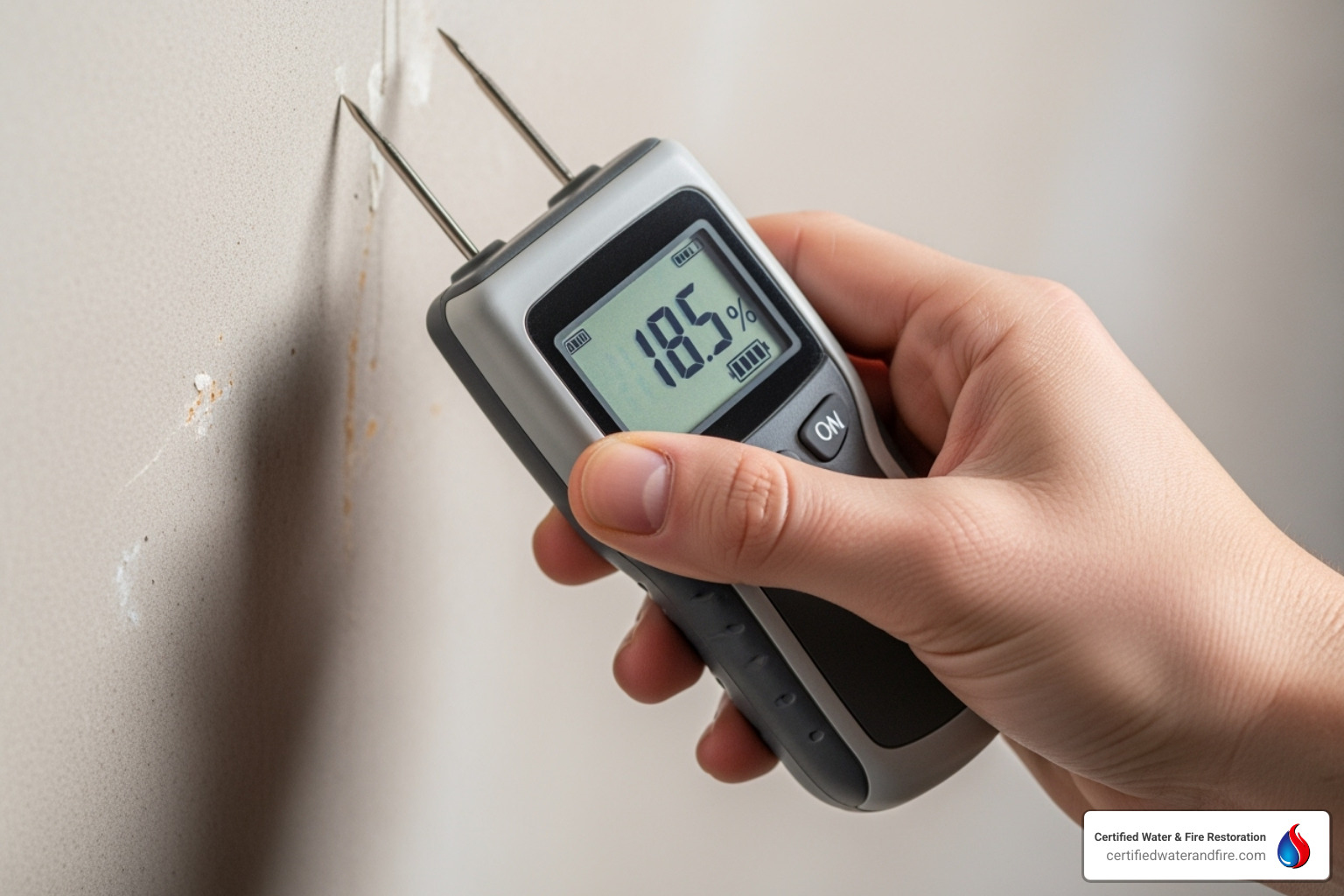
Why? Because there’s so much more to water damage than what meets the eye. Water loves to hide – it seeps into wall cavities, under flooring, and into materials where you can’t see it. Without specialized equipment like moisture meters and industrial-grade dehumidifiers, you might think everything’s dry when it’s actually still wet inside your walls.
Plus, if you’re dealing with Category 2 or 3 water (the contaminated stuff), you need proper safety equipment and sanitization procedures. It’s not worth risking your health or your home’s structural integrity to save a few dollars.
Does homeowners insurance cover all types of water damage?
This is where things get a bit complicated, and unfortunately, the answer is no – homeowners insurance doesn’t cover all types of water damage.
Most standard policies will cover sudden and accidental water damage. Think burst pipes, an appliance malfunction that floods your kitchen, or water coming through your roof after a tree branch punches a hole in it during a storm. These are the “oops, that just happened” scenarios that insurance companies expect to cover.
What they typically won’t cover is damage from gradual leaks or poor maintenance. If that slow drip under your kitchen sink has been going on for months and finally rotted out your cabinet, your insurance company is likely to say that’s a maintenance issue, not a sudden accident.
The biggest exclusion? Flooding from outside sources. If a river overflows, heavy rains cause street flooding that enters your home, or groundwater seeps up through your foundation, standard homeowners insurance won’t help. For that, you need a separate flood insurance policy.
Here’s our advice: Read your policy carefully and don’t hesitate to call your agent with questions. Every policy is different, and understanding your coverage before you need it can save you a lot of heartache later. When water damage does strike, document everything with photos and call your insurance company right away – we work directly with insurers to help make the claims process as smooth as possible.
Your Partner in Water Damage Recovery
When home water damage strikes, you don’t have to face it alone. This comprehensive guide has walked you through everything from identifying the early warning signs to understanding the complex world of insurance claims and professional restoration.
The most important thing to remember? Speed matters. Whether it’s a burst pipe flooding your kitchen or a slow leak hiding behind your bathroom wall, acting fast is absolutely crucial. Every hour you wait allows water to spread further, mold to take hold, and your repair costs to climb higher.
You now know how to spot the telltale signs of hidden damage—from that musty smell in the basement to the suspicious water stain on your ceiling. You understand why that Category 1 clean water from a broken pipe needs immediate attention, and why Category 3 sewage backup requires professional hazmat expertise. Most importantly, you’re equipped with the knowledge to take those critical first steps: stop the source, ensure safety, and call for help.
Prevention really is your best defense. Those simple maintenance tasks—checking appliance hoses, cleaning gutters, knowing where your main water shut-off valve is—can save you thousands of dollars and weeks of disruption. But when prevention isn’t enough, professional help makes all the difference.
For homeowners in the Houston and Dallas areas, you have a trusted partner ready to respond. Certified Water & Fire Restoration understands that water emergencies don’t wait for convenient times. That’s why we offer 24/7 emergency response with our commitment to arrive within 60 minutes of your call.
We know dealing with insurance can feel overwhelming when you’re already stressed about damage to your home. That’s why we work directly with your insurance company, handling the paperwork and negotiations so you can focus on getting your life back to normal. No upfront costs means you can get the help you need immediately, without worrying about how to pay for it.
Our 2-year warranty on all restoration work gives you the peace of mind that comes from knowing the job is done right. We’re not just fixing the immediate problem—we’re making sure it stays fixed.
If you’re facing a water emergency in Houston, Dallas, Irving, or Plano, don’t wait. Every minute counts when it comes to home water damage. Get the professional help you need right now. Contact us for 24/7 Water Damage Restoration in Houston.
Your home is more than just a building—it’s where your family creates memories and feels safe. When water threatens that sanctuary, we’re here to help you reclaim it, quickly and completely.
