

5 Reasons You Should Care About Community Engagement in Preparedness
Why Community Preparedness Matters More Than Ever
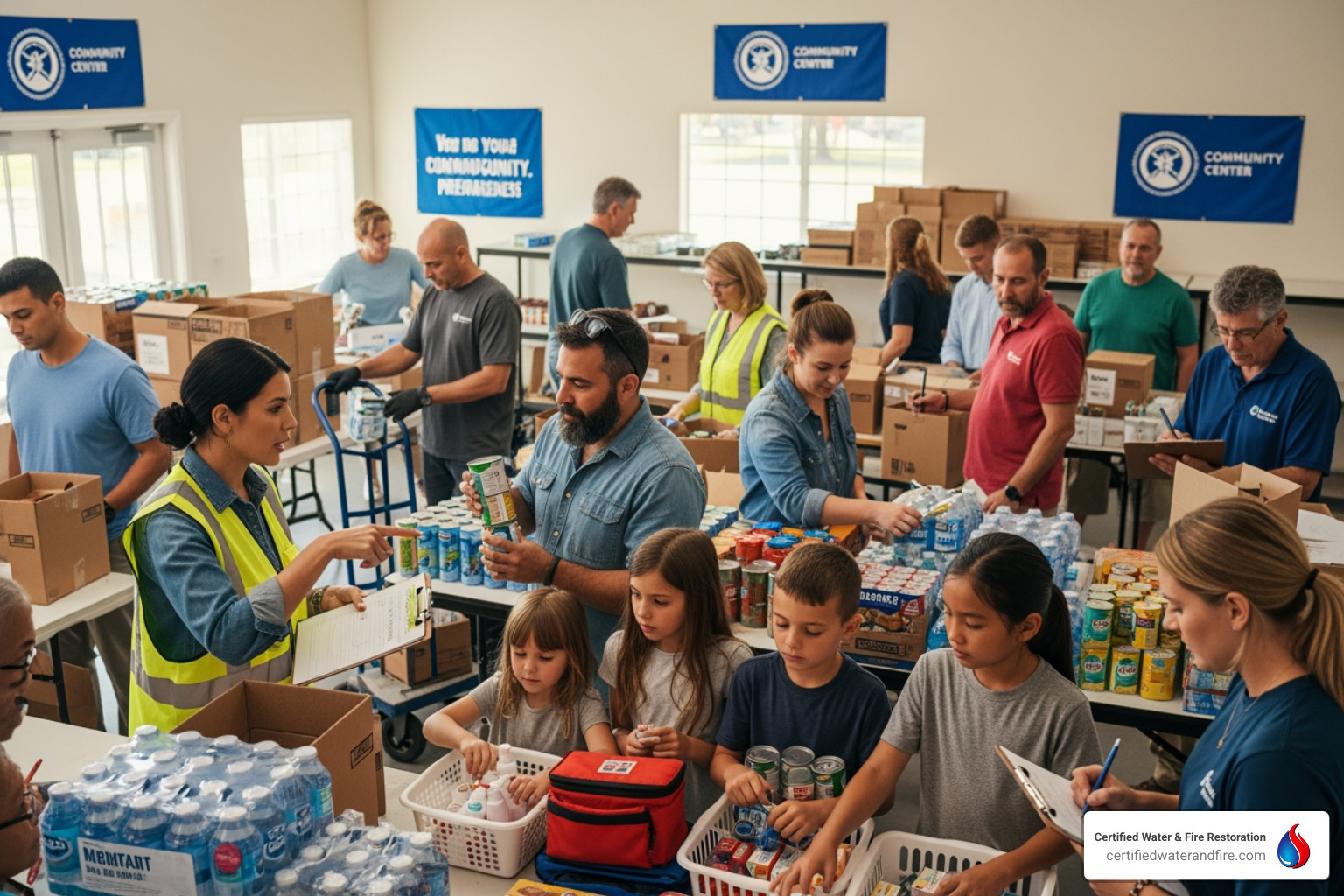
Why is it important to engage communities in preparedness efforts? Engaging communities in disaster preparedness is critical because:
- Local residents are often the first responders – They can save lives and provide immediate support before official help arrives
- Communities leverage unique local knowledge – Residents understand their area’s specific vulnerabilities, terrain, and resources better than anyone
- Response times improve dramatically – Prepared communities can coordinate faster, more effective rescue and recovery operations
- Long-term resilience gets built – Community engagement fosters self-reliance, reduces anxiety, and speeds up recovery after disasters
- Plans become culturally relevant – Involving diverse community members ensures preparedness strategies respect local traditions, languages, and specific needs
The facts are sobering. The United States experienced 18 climate disasters in 2022 alone, with total damages reaching $165.1 billion. Hurricane Ian became the first disaster in U.S. history to exceed $100 billion in losses. Yet about two-thirds of American citizens are not fully prepared for possible natural or human-made disasters.
The old model of top-down disaster management simply doesn’t work. When Hurricane Katrina struck in 2005, local volunteers and active community residents served as rescuers and caretakers – often the only line of response for weeks. This pattern has repeated through Hurricane Sandy, the 2017 hurricane season, and the COVID-19 pandemic.
Effective emergency management requires intentional interactions with communities before, during, and after a disaster. Preparedness isn’t just a government responsibility – it’s a shared effort requiring individuals, businesses, community organizations, and local leaders working together.
With over a decade in property restoration and emergency response, I’ve seen why it is so important to engage communities in preparedness efforts: prepared communities recover faster and suffer fewer devastating losses. Across Texas, the neighborhoods with strong preparedness networks consistently fare better when disaster strikes.
Key Takeaways
- Local people act first: Neighbors often provide the first help, so training and coordination save lives before agencies arrive.
- Local insight improves plans: Residents know flood spots, vulnerable households, and usable spaces, so plans get sharper and faster.
- Prepared groups recover faster: Community drills and shared roles build confidence, reduce stress, and speed up recovery after impact.
- Strong ties reduce harm: Trust and communication lower isolation and improve resource sharing during response and cleanup.
- Inclusive planning works better: When leaders include culture and language needs, more people follow the plan and take action.
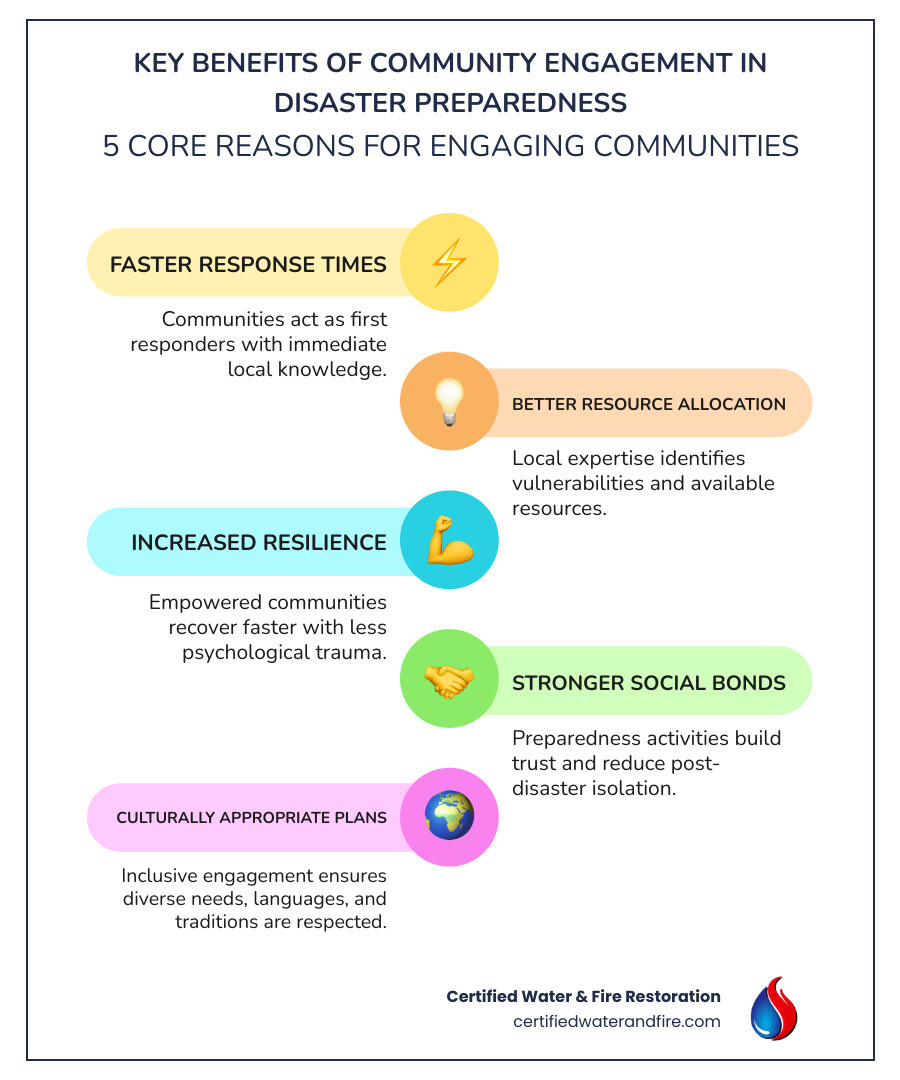
Why Is It Important to Engage Communities in Preparedness Efforts? The 5 Core Reasons
When we talk about disaster preparedness, it’s easy to think of official agencies and emergency services taking the lead. But the truth is, the most powerful force in preparedness and response is often found right in our neighborhoods. Engaging communities isn’t just a nice idea; it’s a fundamental necessity for creating truly resilient and safe environments. Here are five core reasons why we believe it’s so important.
Reason 1: Tapping into Local Knowledge and Resources
One of the most compelling reasons why it is important to engage communities in preparedness efforts is the invaluable local knowledge and resources they bring to the table. No government agency or external organization, no matter how well-intentioned, can possess the intricate understanding of a community that its residents do.
Think about it: who knows the local terrain better than the people who walk it every day? Who understands the specific weather patterns, the vulnerable areas prone to flooding in Houston, the wildfire risks near Dallas, or the unique challenges faced by rural communities in Texas? Local residents are experts on the challenges affecting them and their solutions. We’ve seen how local insights can pinpoint critical information, like a particular street in Irving that floods easily or a specific neighborhood in Plano with a high concentration of elderly residents who might need extra assistance.
Why?
Evidence shows that accounting for local knowledge, practices, and contexts helps reduce disaster risks and strengthens resilience. This local expertise is crucial for tailoring effective preparedness plans. It allows us to identify not only the most vulnerable spots but also the hidden strengths and resources within a community. Perhaps there’s a retired nurse living down the street, a construction worker with heavy equipment, or a community center that can serve as an impromptu shelter. Leveraging this collective wisdom and these diverse skills leads to localized solutions that are far more effective than generic, one-size-fits-all approaches. Community members often possess a wide range of essential skills—professional, trade, medical, psychological, and social—all vital for disaster preparedness and response.
By engaging communities, we can also map out available resources, both tangible and intangible. This “resource mapping” helps us understand what’s already present and how it can be mobilized quickly when disaster strikes, leading to faster problem-solving. This isn’t just about physical assets; it’s also about understanding the social networks, the informal support systems, and even the local traditions that can be woven into a robust preparedness strategy.
For more information on safeguarding your home and business, we encourage you to review our insights on protecting your property.
Reason 2: Faster, More Effective Disaster Response
The seconds and minutes immediately following a disaster are often the most critical. This is another area where community engagement truly shines, demonstrating why it is important to engage communities in preparedness efforts. When a hurricane hits Houston or a severe storm causes widespread damage in Dallas, local residents are undeniably the first responders. Official help, no matter how rapid, often takes time to reach every affected area, especially in widespread events.
Engaging communities in preparedness efforts and disaster response plans has been proven to improve disaster response time and make rescue and recovery operations more successful. Why? Because prepared community members can provide immediate aid, perform basic search and rescue, and offer crucial information to emergency services. We’ve seen instances where trained community volunteers have been the only line of response for an extended period, saving lives and mitigating further damage.
Training the Community
Training community members in first aid, search and rescue, and basic disaster management can significantly speed up response. Programs like the Community Emergency Response Team (CERT) empower individuals with the skills to help themselves and their neighbors in the immediate aftermath of a disaster, supplementing official efforts. These coordinated efforts mean that when our professional restoration teams arrive, the groundwork for recovery has often already begun, allowing us to focus on larger-scale mitigation and repair.
Furthermore, community action fosters vital communication networks. Neighbors checking on neighbors, sharing information through local channels (like neighborhood watch groups or online forums), and coordinating efforts can ensure that help gets to where it’s needed most efficiently. This local communication can be a lifeline when traditional communication infrastructure is compromised. It’s clear that a government-led approach alone is insufficient; the whole community must be actively involved to meet preparedness goals and ensure rapid, effective response.
To learn more about how to steer severe weather events, explore our Texas storm season emergency response guide.
Reason 3: Building Long-Term Resilience and Self-Reliance
Disasters don’t just cause immediate physical damage; they also inflict deep psychological and social wounds. A key aspect of why it is important to engage communities in preparedness efforts is its profound impact on building long-term resilience and fostering self-reliance within our Texas communities.
When individuals and communities are actively involved in planning and preparing, they gain a sense of empowerment. This ownership over their safety and future reduces anxiety and helps them feel more in control during chaotic times. We’ve observed that communities that have actively participated in preparedness drills and planning sessions tend to recover faster, not just physically, but emotionally. Community preparation for natural hazards reduces disaster-induced physical health problems and adverse experiences, and significantly lowers the potential for post-traumatic stress disorders, aiding a faster recovery process.
This engagement fosters sustainable preparedness, where the habits and knowledge gained aren’t just for one event but become ingrained in the community’s culture. Community involvement can lead to more sustainable disaster preparedness even after national or external support wanes. By providing community members with knowledge and resources for self-reliance, we equip them to handle future challenges with greater confidence. This creates a cycle where communities become more knowledgeable, skilled, and connected, ultimately leading to greater long-term resilience.
For those looking to deepen their personal and community preparedness, FEMA offers an excellent resource: FEMA’s In-Depth Guide to Citizen Preparedness.
Reason 4: Strengthening Community Cohesion and Well-being
Beyond the practical benefits, engaging communities in preparedness efforts has a powerful, often underestimated, impact on social fabric. It’s a cornerstone of why it’s important to engage communities in preparedness efforts because it directly contributes to overall community cohesion and well-being.
Shared preparedness activities inherently build trust among neighbors and between residents and local authorities. When we work together to plan for potential threats, we create social connections and strengthen the bonds that hold a community together. This collective responsibility fosters a sense of belonging and mutual support, which is invaluable both before and after a disaster. Strong social ties built through preparedness activities can provide essential emotional support and aid faster community recovery.
In the aftermath of a disaster, these strong networks are crucial. Community action reduces isolation, ensuring that no one feels alone or forgotten. Neighbors checking on each other, sharing resources, and offering comfort are powerful antidotes to the trauma and disruption of an emergency. This goes hand-in-hand with addressing the mental health aspect of disasters. Mental health care is crucial during preparedness efforts, as disasters inevitably cause psychological distress. Integrating support systems and fostering strong community ties can significantly contribute to the overall social and economic recovery of individuals and societies.
Building and maintaining relationships with other local leaders and community members is a foundational practice for fostering cooperation and trust. It’s about creating a caring community that looks out for one another.
We’ve dedicated an entire section to the importance of fostering strong community bonds; learn more about building relationships for a more resilient neighborhood.
Reason 5: Creating Culturally Competent and Custom Plans
No two communities are exactly alike, especially in a diverse state like Texas. This fundamental truth underscores another critical reason why it is important to engage communities in preparedness efforts: it allows us to create culturally competent and truly custom plans.
Effective preparedness means ensuring that plans consider the unique needs of all members, including vulnerable populations. This includes addressing language barriers (word-for-word translations are often insufficient, as meanings can differ across dialects), respecting cultural norms, and integrating local traditions. For instance, communication strategies need to be custom; what works for one demographic in Dallas might not resonate with another in Houston. Some communities, due to historical or systemic neglect, require extra effort and intention to engage effectively.
When we involve diverse community members in the planning process, we gain insights into these specific requirements. This inclusive planning ensures that everyone understands the risks, knows how to prepare, and feels confident that their particular needs will be met during an emergency. It means developing targeted communications that are delivered in the right languages, reflective of historical context, and aligned with unique risks. This approach moves away from a “one-size-fits-all” mentality, which can leave significant portions of the population unprepared or feeling unheard.
By engaging directly, we can identify trusted messengers within each community – perhaps a local religious leader, a respected elder, or a community organizer – who can effectively disseminate critical information and build credibility. This ensures that preparedness efforts are not just understood, but acceptd by everyone, leading to more comprehensive and effective protection for our communities.
For comprehensive resources on preparing for severe weather, please visit our page on severe weather prep.
Proven Strategies for Effective Community Engagement
Engaging communities isn’t always easy, but it is always worth it. It requires intentional effort, patience, and a genuine commitment to collaboration. Here are some proven strategies we can employ to make community preparedness efforts truly effective.
How to build trust and foster cooperation for community preparedness efforts
Building trust and fostering cooperation are the bedrock of successful community engagement. Without trust, even the best-laid plans will falter. Here’s how we can cultivate that essential foundation:
- Open Communication: We must be transparent about our goals, processes, and limitations. Sharing honest, timely, and accessible information about who we are and what we’re doing helps explain the process and build confidence.
- Inclusive Meetings: Open up planning meetings to the community, allowing residents to discuss and negotiate disaster plans. Hold meetings in different areas and at various times to ensure accessibility, and provide translations or conduct sessions in different languages to reach all community members.
- Listen Actively: Effective engagement begins with asking questions and truly listening. We need to show up, listen, and learn directly from communities. This helps us understand their culture, history, and unique concerns, which in turn allows us to tailor methods and messaging.
- Use Trusted Messengers: Identify and partner with critical trusted messengers within the community—business owners, religious leaders, teachers, or respected elders. When information comes from a trusted source, community members are more likely to listen and act upon it.
- Collaborate with Local Leaders: Build and maintain strong relationships with other local leaders and community members. This creates a network of support and ensures preparedness efforts are integrated into the community’s existing social structures.
- Transparency and Feedback Mechanisms: Establish clear systems for responding to feedback, questions, and complaints. Distribute surveys and feedback forms to engage the community and ensure equal representation, showing that their input is valued and acted upon.
- Consistency and Regular Engagement: Building relationships takes time and consistent effort. Regular community engagement, not just during a crisis, is critical for maintaining trust and readiness.
Overcoming common challenges when you engage communities in preparedness efforts
While the benefits are clear, we know that engaging communities in preparedness efforts can come with its own set of challenges. These might include apathy, lack of resources, ensuring equal representation, and even potential disillusionment if community inputs are ignored. Here’s how we can overcome them:
- Addressing Apathy: Many people are not fully prepared, often due to a perception that disasters won’t happen to them, or feeling overwhelmed. We can counter this by making preparedness relatable, simple, and even fun. Highlighting local risks and providing clear, actionable steps can motivate engagement. Engaging residents in open forums and making sessions enjoyable can help.
- Resource Limitations: Lack of time, experienced staff, and funding are common problems. We can overcome these by leveraging community volunteers, who can significantly expand capacity. Additionally, seeking out funding opportunities, such as FEMA grants, can provide crucial financial support. The Federal Emergency Management Agency (FEMA) offers preparedness grants to government and nonprofit authorities to support citizen and first responder training for disasters.
- Accessibility Issues: Ensuring that training and information are accessible to everyone means considering language barriers, different abilities, and geographical spread. We should offer training in local languages, provide materials in various formats, and hold events in different locations and at different times to accommodate diverse schedules.
- Ensuring Equal Representation: It’s vital that all voices are heard, especially from underserved and marginalized communities who have historically been overlooked. We must actively seek out and include these groups, understanding their unique needs and concerns to ensure plans are equitable and effective.
- Governance and Coordination: Establishing proper governance for balanced efforts can be complex. This requires clear leadership, defined roles, and robust coordination mechanisms among community groups, local government, and NGOs. We should encourage multi-channel community engagement, involving local, state, and federal governments alongside the community.
Practical Steps for Getting Your Community Involved
Moving from theory to action is where the real magic happens. Here are some practical steps we can take to get our communities actively involved in preparedness:
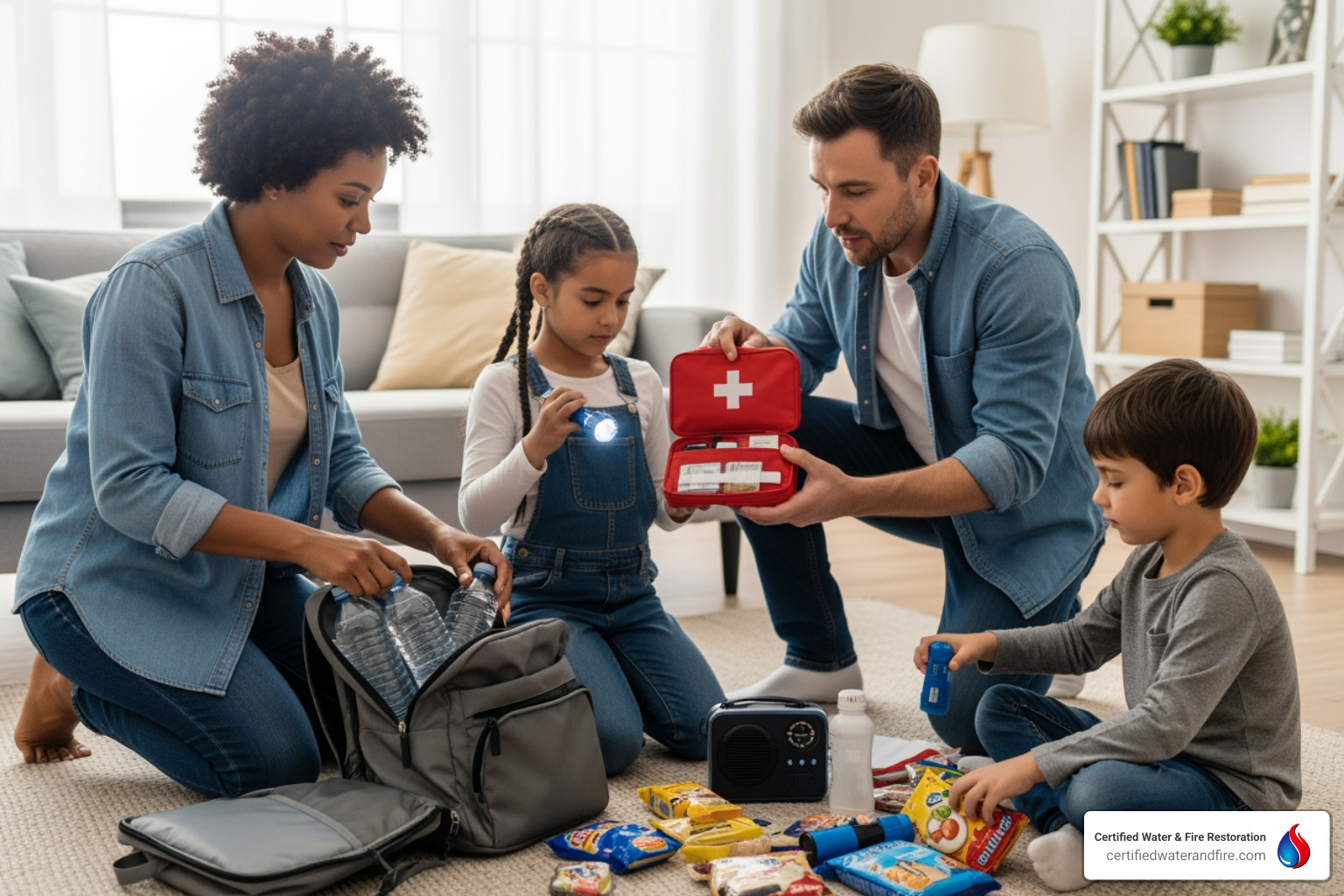
- Form Planning Groups: Encourage the formation of neighborhood or community-level planning groups. These groups can open up planning meetings to discuss and negotiate disaster plans, identifying local priorities and developing action plans.
- Hold Training Sessions: Organize and promote preparedness training sessions. Programs like Community Emergency Response Team (CERT) Basic Training provide essential skills in first aid, search and rescue, and basic disaster management. Create a safe and open environment for these sessions, where everyone feels comfortable voicing concerns.
- Conduct Drills and Exercises: Practice makes perfect! Regular drills for various scenarios (evacuation, shelter-in-place, first aid) help solidify knowledge and build confidence. These can be as simple as practicing an evacuation route or as comprehensive as a full-scale emergency exercise.
- Develop Communication Plans: Establish clear communication channels for before, during, and after a disaster. This includes teaching community members how to communicate with each other and with authorities, and how to receive critical alerts. Encourage having generators, emergency evacuation kits, and radios.
- Use Surveys and Feedback: Distribute surveys and feedback forms to engage the community continuously. This ensures that preparedness plans are living documents, constantly refined based on real-world input and changing needs.
- Create Evacuation Plans: Develop effective neighborhood evacuation plans, distributing area maps and making people aware of alternate routes to leave the area safely.
Frequently Asked Questions about Community Preparedness
We often hear similar questions from our Texas clients about how to best prepare. Here are some of the most common ones we address:
What should be in a basic disaster preparedness kit?
A well-stocked emergency kit is your first line of defense. We recommend including:
- Water: One gallon per person per day for at least three days, for drinking and sanitation.
- Food: At least a three-day supply of non-perishable food.
- Radio: A battery-powered or hand-crank radio, and a NOAA Weather Radio with tone alert.
- Flashlight: With extra batteries.
- First Aid Supplies: A comprehensive first aid kit.
- Whistle: To signal for help.
- Dust Mask: To help filter contaminated air.
- Other Essentials: Moist towelettes, garbage bags and plastic ties for personal sanitation, wrench or pliers to turn off utilities, a manual can opener for food, local maps, and a cell phone with chargers and a backup battery.
For a comprehensive checklist, refer to FEMA’s Disaster Supply Kit List.
What is the “Whole Community” approach?
The “Whole Community” approach is a philosophy promoted by FEMA that emphasizes that disaster preparedness and response are not solely the responsibility of government agencies. Instead, it’s a shared understanding and collective action involving everyone: individuals, businesses, non-profit organizations, faith-based groups, and all levels of government.
This approach acknowledges that to meet preparedness goals, the entire community must be actively involved in all phases of the preparedness, response, and recovery cycle. It encourages self-reliance and leverages the unique strengths and resources found within every part of a community. By working together, we can build a more resilient and prepared Texas.
How can we prepare for specific Texas weather events like hurricanes and hail?
Living in Texas, we’re no strangers to severe weather, from the hurricane season along the Gulf Coast to the sudden hailstorms that can sweep across Dallas and Plano. Here’s how we advise our communities to prepare:
- Hurricanes and Flooding:
- Secure Your Property: Before hurricane season (June 1 to November 30), trim trees, secure loose items, and reinforce windows and doors.
- Create an Evacuation Plan: Know your evacuation routes and have a designated meeting place. If you’re in Houston or other coastal areas, heed official evacuation orders immediately.
- Assemble Supplies: Have your disaster kit ready, including enough water and non-perishable food for at least a week.
- Stay Informed: Monitor local weather alerts and official advisories. For more detailed guidance, see our hurricane season prep for Houston homeowners.
- Hailstorms:
- Regular Roof Inspections: After any severe weather, inspect your roof for damage. Small hail damage can lead to bigger problems later.
- Vehicle Protection: Park vehicles in garages or under carports during hailstorms.
- Secure Outdoor Items: Bring in or secure patio furniture, grills, and other outdoor items that could be damaged or become projectiles.
- Document Damage: If hail strikes, take photos of any damage to your property immediately for insurance purposes. Our Texas hail storm damage guide provides further insights.
- Tornadoes: Texas falls within what AccuWeather defines as Tornado Alley (Northern Texas) and Dixie Alley (Eastern Texas). Have a designated safe room or interior space away from windows, and practice drills.
- Wildfires: While more common in drier areas, wildfires can occur. In 2022, Texas experienced 12,571 fires, burning 671,800 acres. Maintain defensible space around your home, clear gutters of debris, and have an evacuation plan.
From Preparedness to Recovery
Understanding why it is important to engage communities in preparedness efforts fundamentally shifts our perspective from simply reacting to disasters to proactively building stronger, more resilient communities. We’ve explored how community involvement taps into local knowledge, accelerates disaster response, builds long-term resilience, strengthens social cohesion, and ensures plans are culturally relevant and effective.
The path to recovery often begins long before a disaster strikes, rooted in the collective action and preparedness of an engaged community. By working together, fostering trust, and implementing practical strategies, we can empower our neighborhoods across Houston, Dallas, Irving, and Plano to face any challenge with confidence and mutual support.
When the unthinkable happens, and your property is affected by storm, fire, or water damage, the Certified Water & Fire Restoration team is ready to assist. We offer 24/7 emergency services, aiming for a rapid 60-minute response to help minimize further damage and start the recovery process. Our commitment to no upfront costs and working directly with your insurance, coupled with a 2-year warranty on our work, means you can focus on rebuilding your life while we handle the restoration.
When disaster strikes, get help fast with our emergency fire damage services.
