

All About Mold Toxicity
Why Understanding Mold Toxicity Matters for Your Home and Health
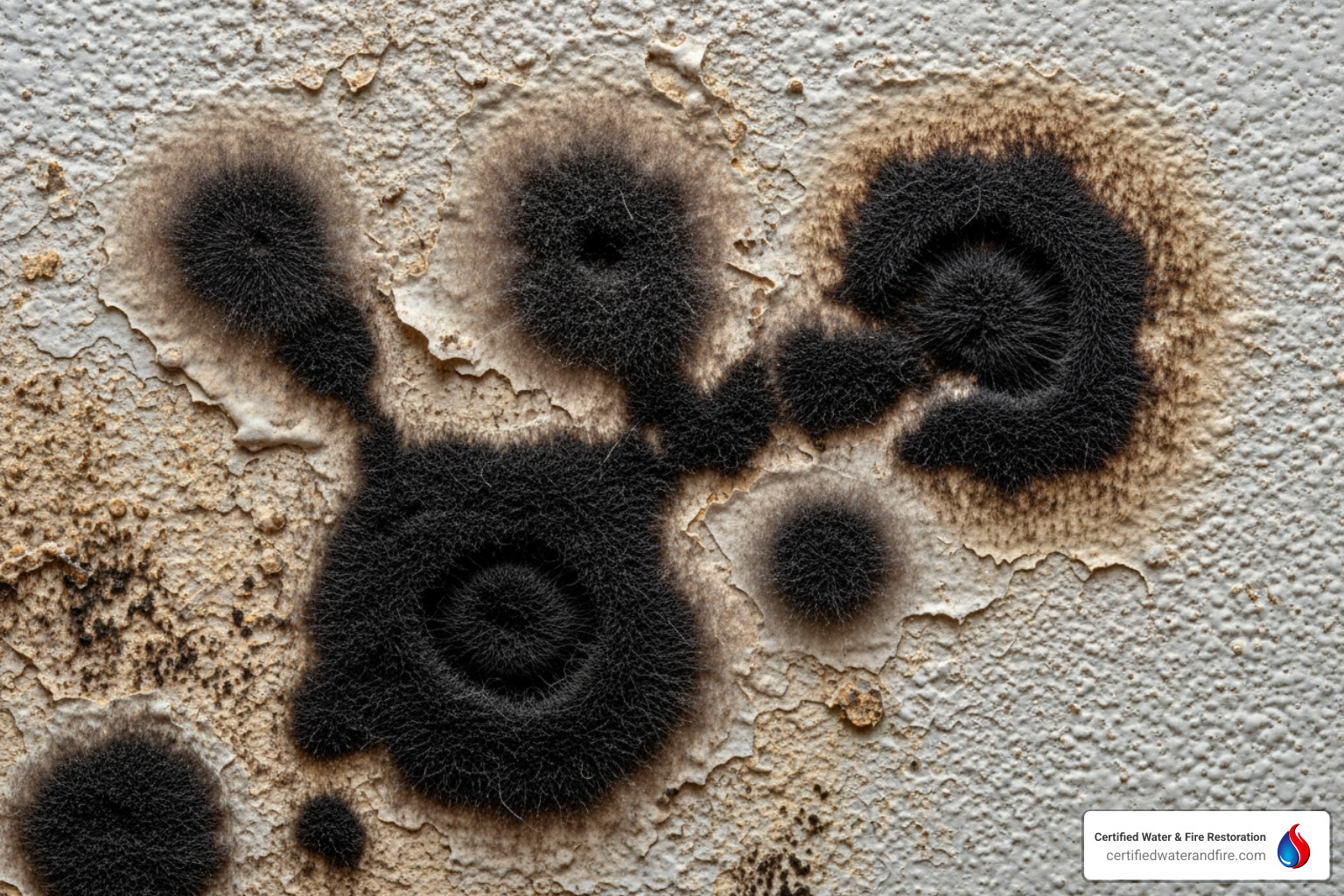
Mold toxicity refers to health problems that can arise from exposure to mold and the mycotoxins they produce. While mold spores are a natural part of our environment, they become a problem when they grow indoors.
Quick Facts About Mold Toxicity:
- Common symptoms: Stuffy nose, coughing, wheezing, eye irritation, skin rash, headaches, and fatigue
- Who’s at risk: People with allergies, asthma, weakened immune systems, young children, and the elderly
- Where it grows: Anywhere with moisture—bathrooms, basements, around leaks, on drywall and carpet
- Prevention key: Control moisture and fix water problems within 24-48 hours
- When to worry: If you see or smell mold, or experience unexplained symptoms in a specific building
You’ve probably encountered the signs: a musty smell in the basement, dark spots on a bathroom ceiling, or a persistent cough at home. When mold finds moisture and a food source like drywall, it can grow rapidly, creating health concerns. The 2004 Institute of Medicine report confirmed a link between indoor mold and upper respiratory symptoms, coughing, and wheezing, as well as worsened asthma.
Beyond allergies, some people in moldy buildings report fatigue, pain, anxiety, and cognitive issues. This guide will cut through the confusion about mold toxicity, explaining what it is, how it affects health, and what you can do about it.
I’m Ryan Majewski, General Manager of Certified Water & Fire Restoration. With over a decade of experience in water damage and mold remediation, I’ve seen how these issues can overwhelm property owners. My goal is to provide practical advice that works to keep your home and family safe.
Understanding Mold: From Common Spores to “Toxic” Varieties
Mold is a type of fungi that survives by breaking down organic matter. While beneficial outdoors, it becomes an unwelcome guest indoors. Mold reproduces by releasing microscopic spores into the air. These invisible spores are everywhere, entering through windows, HVAC systems, and on clothing. The problem begins when these spores land on a damp surface and start to grow.
Common indoor molds include Cladosporium, Penicillium, and Aspergillus. They thrive anywhere they find their three basic needs: moisture, a food source, and comfortable temperatures. This makes certain areas of your home prime real estate for mold:
- High-humidity areas: Bathrooms and basements are classic examples.
- Areas with leaks: Under sinks, behind toilets, or in walls with leaky pipes.
- Porous materials: Drywall, carpet, ceiling tiles, wood, and insulation are all favorite food sources, especially after water damage.
Essentially, if a surface is organic and damp, mold can grow on it. For more detailed guidance, the EPA guide on mold and moisture is an excellent resource.
What is “Black Mold”?
When people worry about “black mold,” they’re usually referring to Stachybotrys chartarum. This species is known for producing toxins called mycotoxins. However, the term “toxic mold” is misleading. The mold itself isn’t toxic; rather, some species can produce mycotoxins under certain conditions.
Crucially, mold color is not a reliable indicator of danger. Many common molds are black, and some non-black molds can still trigger significant allergic reactions. Instead of worrying about the specific species, focus on the real issue: any visible mold growth, regardless of color, indicates a moisture problem that needs to be fixed. The priority is to safely remove the mold and address its water source.
For those in the Houston area with concerns about dark-colored mold, we offer more specific information here: More on Black Mold in Houston.
The Health Risks of Mold Exposure: Allergies, Infections, and Mold Toxicity
Health responses to mold vary from well-documented allergies to more complex, debated conditions. The most common reaction is allergic, with symptoms like a stuffy nose, coughing, wheezing, and skin rashes. For those with asthma, mold is a known trigger for attacks.
The 2004 Institute of Medicine report on indoor mold confirmed the link between indoor mold and upper respiratory symptoms. It also noted that mold can cause hypersensitivity pneumonitis (a severe immune reaction) in susceptible people. Not everyone reacts the same way, and certain groups are at higher risk:
- Children and the elderly are more vulnerable to respiratory issues.
- Immune-compromised individuals (e.g., those undergoing chemotherapy) can develop serious infections from mold.
- People with pre-existing conditions like asthma or COPD often see their symptoms worsen.
- An estimated 25% of the population may have a genetic predisposition that causes a stronger inflammatory response to mold.
Understanding the Symptoms of Mold Toxicity
Beyond typical allergy symptoms, some people in moldy environments report a wider range of issues suggesting systemic inflammation. While more controversial, these experiences are common and include:
- Chronic fatigue that doesn’t improve with rest.
- Cognitive issues like “brain fog,” difficulty concentrating, and memory problems.
- Unexplained pain, including muscle aches and joint pain.
- Mood changes, such as increased anxiety and depression. Scientific research on mold and neuropsychiatric symptoms is exploring this connection.
The Scientific Debate on Chronic Mold Toxicity (CIRS)
You may have heard of Chronic Inflammatory Response Syndrome (CIRS) or “Toxic Mold Syndrome.” These terms describe a collection of systemic symptoms attributed to mycotoxin inhalation. However, these conditions are a subject of scientific debate. While allergies and asthma are established effects, the broader claims of CIRS are contentious due to a lack of federal standards for mold levels, non-specific symptoms that overlap with other illnesses, and unvalidated commercial tests (like urine mycotoxin tests).
Both the Institute of Medicine and the World Health Organization have stated that current evidence is insufficient to prove a direct causal link. This doesn’t mean people’s symptoms aren’t real, but that more research is needed. Regardless of the debate, visible mold always indicates a moisture problem that requires action.
How Mold Inhalation Can Impact the Brain
Emerging research is shedding light on how mold might affect the brain. Animal studies show that inhaling mold spores can trigger neuroinflammation (inflammation in the brain) through an innate immune response. A key research study on how mold inhalation affects brain function found that exposure in mice led to inflammation in the hippocampus, a brain region vital for memory and emotion. This resulted in memory deficits, anxiety-like behaviors, and increased pain sensitivity.
Significantly, these effects occurred with both toxigenic and non-toxigenic mold types. This suggests the body’s immune reaction to mold components, not just mycotoxins, could be responsible for many neurological and behavioral symptoms. While more human studies are needed, this research provides a potential biological explanation for the impact on memory, emotional states, and pain sensitivity reported by people in moldy buildings.
Identifying, Preventing, and Removing Mold
Your best tools for finding mold are your eyes and nose. A musty, earthy odor or visible dark spots are clear signs of a problem. If you see or smell it, you have mold. This is especially true after any water damage, as mold can grow within 24-48 hours. While mold testing is available, the CDC generally discourages routine home testing. Spores are always in the air, and there are no federal standards for “acceptable” levels, making results difficult to interpret. A visual inspection is more reliable. For more on this, see the CDC guidance on mold testing.
When to Call a Professional
While you can handle small mold patches (less than 10 sq. ft.) yourself, certain situations require expert help:
- Large-scale contamination (over 10 square feet).
- Suspected mold in your HVAC system.
- Water damage involving sewage or contaminated water.
- Hidden mold, indicated by a persistent musty smell with no visible source.
If you’re in the Houston area and have persistent mold toxicity concerns, an Expert Houston Mold Inspection can provide definitive answers.
Safe Mold Cleanup and Remediation
Whether DIY or professional, the first step is always to fix the moisture source. Cleaning mold without fixing the leak is a temporary solution at best.
For small DIY jobs (under 10 sq. ft.):
- Wear safety gear: N-95 respirator, non-porous gloves, and goggles.
- Ventilate the area: Open windows and use fans.
- Clean hard surfaces: Scrub with detergent and water. A diluted bleach solution can be used, but never mix bleach with other cleaners. Learn more at Can Bleach Clean Kill Mold Effectively?.
- Remove porous materials: Mold-infested carpet, drywall, and ceiling tiles should be discarded and replaced, as they cannot be fully cleaned.
Professional mold remediation is necessary for larger problems. Our process at Certified Water & Fire Restoration involves containing the area to prevent cross-contamination, using advanced equipment to eliminate all moisture, safely removing affected materials, and thoroughly cleaning and sanitizing all surfaces. Our 24/7 Mold Remediation services ensure the problem is handled correctly.
Preventing Future Mold Growth
Moisture control is the key to mold prevention. Take away the water, and mold can’t grow. Here are the most effective strategies:
- Control humidity: Keep indoor humidity between 30% and 50%, using dehumidifiers in damp areas like basements, especially in the humid Texas climate.
- Ensure proper ventilation: Use exhaust fans in kitchens and bathrooms that vent to the outside. Make sure your clothes dryer also vents outdoors.
- Fix leaks promptly: Address any water leaks immediately. Dry all water-damaged areas within 24-48 hours to prevent mold growth.
- Clean regularly: Use mold-killing products in bathrooms and avoid carpet in high-moisture areas.
Implementing these measures can significantly reduce your risk of mold. For custom advice, explore our Mold Prevention Houston resources.
Frequently Asked Questions about Mold
What is the difference between allergenic, pathogenic, and toxigenic molds?
Molds are often grouped into three categories based on their potential health effects:
- Allergenic molds: These trigger allergies and asthma. They are the most common type of mold people react to, causing sneezing, runny nose, and itchy eyes.
- Pathogenic molds: These can cause infections, primarily in people with severely weakened immune systems.
- Toxigenic molds: These can produce mycotoxins, chemical compounds that can cause adverse health effects. Stachybotrys chartarum (“black mold”) is a well-known example.
A single mold species can fall into multiple categories, and health effects depend more on individual sensitivity than the mold type. This is why all indoor mold growth should be addressed promptly.
What are the rights of renters and landlords regarding mold?
Responsibilities are shared between tenants and landlords. Landlords must provide a safe, habitable environment, which includes fixing moisture problems and remediating significant mold growth. Renters are responsible for keeping the unit clean and promptly reporting any leaks or mold to the landlord in writing.
If a landlord fails to act, tenants may need to contact local housing authorities. Laws vary, but this Guide to tenant rights provides a general overview.
How do I know if my symptoms are from mold?
This is challenging because symptoms of mold toxicity overlap with many other conditions. Here are some clues:
- Timing and Location: Do your symptoms worsen in a specific building (home, office) and improve when you leave? This is a strong indicator.
- Exposure History: Have you had recent water damage, or do you see or smell mold?
- Symptom Cluster: Are you experiencing a mix of respiratory issues, fatigue, brain fog, and pain?
There is no single, definitive test for “mold toxicity.” Consulting a healthcare professional is essential to rule out other conditions and get a proper diagnosis. A doctor can help you investigate potential environmental triggers and guide you toward an appropriate treatment plan.
Taking Control of Your Environment and Health
Throughout this guide, we’ve explored mold toxicity, from its causes to its complex health effects. The most important takeaway is that mold is fundamentally a moisture problem. Control the water, and you control the mold.
The health risks are real, from common allergies and asthma attacks to more complex inflammatory and cognitive symptoms. While some aspects are still being researched, prevention and prompt, safe removal are the best ways to protect your property and health. You can handle small mold patches yourself, but if the problem is large, hidden, or you’re experiencing persistent symptoms, it’s time to call a professional.
At Certified Water & Fire Restoration, we help homeowners and businesses across Houston, Dallas, Irving, and Plano, Texas, resolve mold issues. We understand how stressful finding mold can be, which is why we offer 24/7 emergency services with a 60-minute response time. We work directly with your insurance, so there are no upfront costs, and we provide a 2-year warranty on our work.
If you’re dealing with a leak, flood damage, or a persistent musty smell, you don’t have to handle it alone. For professional cleanup that restores your property and your peace of mind, explore our Mold Remediation services. We’re here to help you breathe easier.