

How to Dry Carpet Fast Before It Gets Funky
When Your Carpet Is Soaking Wet, Every Minute Counts
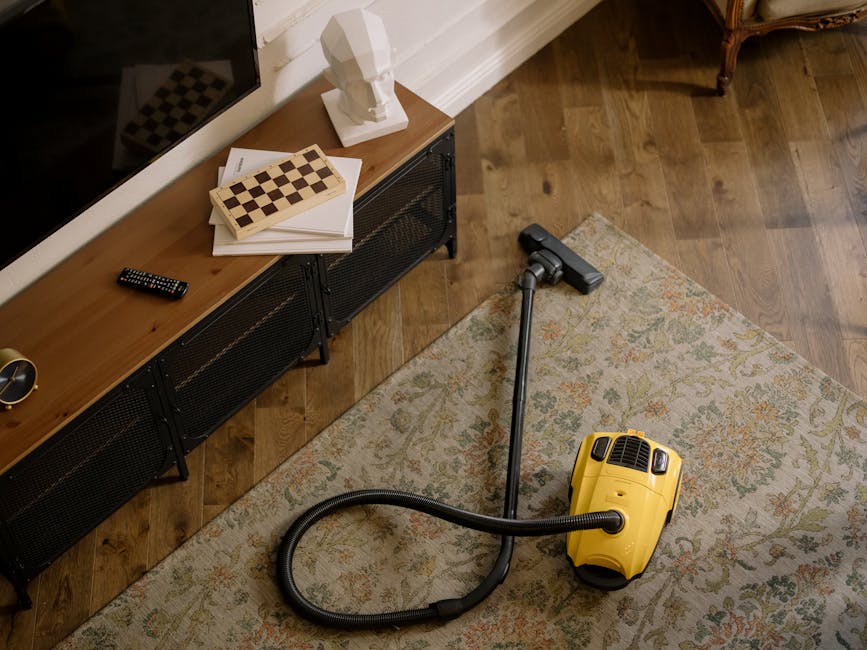
How to dry carpet fast comes down to a few key actions you can take right now:
- Extract water immediately – Use a wet/dry vacuum to pull out as much moisture as possible
- Maximize airflow – Run fans, open windows, and turn on your HVAC
- Dehumidify the room – A dehumidifier pulls moisture from the air so the carpet can release it faster
- Check underneath – Lift the carpet edge to inspect the padding and subfloor
- Use baking soda – Sprinkle on damp areas to absorb residual moisture and neutralize odors
Wet carpet is one of those problems that feels manageable at first — and then quietly gets worse. Maybe a pipe burst while you were at work. Maybe a heavy storm pushed water under your back door. Either way, you came home to that sinking feeling of soggy carpet underfoot, and now you’re wondering how bad it really is.
Here’s the honest answer: it depends entirely on how fast you move.
A damp carpet that gets dried out within a few hours is usually fine. The same carpet left sitting wet for two or three days? You’re potentially looking at mold, ruined padding, and a subfloor that’s starting to absorb damage. The clock starts the moment water hits the fibers.
This guide walks you through everything — from grabbing a wet/dry vac to knowing when the situation is beyond DIY.
Key Takeaways
- Speed determines whether your carpet can be saved. You have 24–48 hours before mold growth begins, so immediate action is critical to avoid permanent damage.
- Focus on extraction first, then airflow. Use a wet/dry vacuum to remove water, then combine fans + dehumidifiers to accelerate drying and prevent moisture buildup.
- Don’t ignore what’s underneath. Carpet padding and subfloors trap moisture, so lifting the carpet and checking below is essential to stop odors and mold.
- Water type changes everything. Clean water (Category 1) may be salvageable, but gray or black water (Category 2–3) often requires removal and professional handling.
- Know when DIY is not enough. Large areas, contamination, or lingering odors signal the need for professional restoration equipment and services to fully dry and protect your home.
I’m Ryan Majewski, General Manager of Certified Water & Fire Restoration, and with over a decade of hands-on experience in water damage restoration across the Midwest and beyond, I’ve helped hundreds of homeowners and businesses figure out exactly how to dry carpet fast before small problems turn into expensive ones. Whether you’re dealing with a minor spill or a full-scale flood, the steps ahead will help you protect your home and make the right call.
Why Speed is Everything: The 48-Hour Window
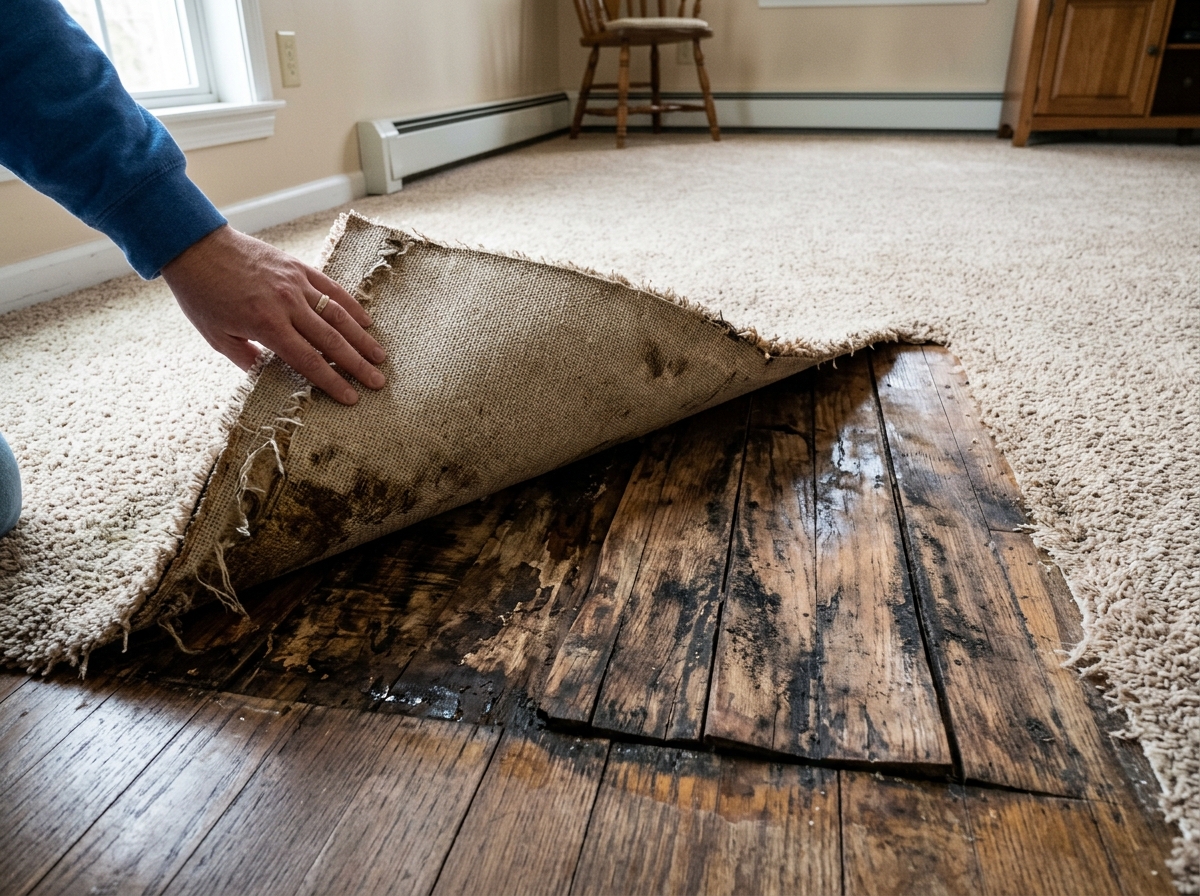
In the restoration world, we live by a very strict clock. According to OSHA and general restoration standards, if a porous material has been wet for over 48 hours, it’s best to remove and replace. This isn’t just a suggestion; it’s about your health. Microbial growth, better known as mold, can begin developing on and under your carpet within 24 to 48 hours if the conditions are right—meaning it’s warm, dark, and damp.
When we talk about how to dry carpet fast, we first have to look at what kind of water we’re dealing with. In our Ultimate Home Water Damage Guide, we categorize water into three groups:
- Category 1 (Clean Water): Think of a broken supply line or a bathtub overflow. This is sanitary water. If you catch it fast, your carpet and padding can usually be saved.
- Category 2 (Gray Water): This is water that might contain chemical or biological contaminants. Think dishwasher discharge or a washing machine leak. This is a bit riskier, and the padding usually has to go.
- Category 3 (Black Water): This is the “stay away” category. Sewage backups or rising floodwaters from a Dallas or Houston storm. This water is grossly contaminated. If your carpet is soaked in Category 3 water, it’s a biohazard. Don’t try to dry it; it needs to be ripped out and replaced.
The longer water sits, the worse it gets. Clean water can actually “degrade” into gray water after 24 hours as it reacts with the dirt and microbes already living in your carpet fibers. This is why damp carpet risks are so high; it’s not just the water, it’s what the water becomes over time.
How to Dry Carpet Fast Using Professional DIY Techniques
If you’re dealing with Category 1 water and you’ve caught it early, you can absolutely make a dent in the drying process yourself. But you have to be strategic. You can’t just point a desk fan at the floor and hope for the best.
The goal is two-fold: Extraction (getting the liquid out) and Evaporation (turning the remaining moisture into vapor).
| Tool | Effectiveness | Best Use Case |
|---|---|---|
| Box Fan | Low | Small spills or circulating air in a dry room. |
| Ceiling Fan | Medium | Helping move air throughout the entire room. |
| Industrial Air Mover | High | Forcing air across the carpet surface to speed up evaporation. |
| Dehumidifier | High | Removing the moisture that the fans have pushed into the air. |
Using a Wet/Dry Vacuum to Dry Carpet Fast
The single most important tool in your arsenal is a wet-dry vacuum. If you don’t own one, you can rent one from a local hardware store in Irving or Plano.
When using a wet vac, don’t rush. We see people zooming across the carpet like they’re doing a quick Sunday morning tidy-up. That doesn’t work. You need to make slow, overlapping passes. Think of it like mowing a lawn, where you want every blade of grass perfectly trimmed. Press down firmly on the wand to ensure the suction is pulling water from deep within the fibers and the padding.
Go over the wet area multiple times until you no longer see water entering the vacuum’s nozzle. This is the foundation of Carpet Drying. If you don’t get the bulk of the liquid out now, the fans will have to work ten times harder later.
Maximizing Airflow and Ventilation
Once the standing water is out, it’s time to focus on airflow. In Texas, we have a love-hate relationship with our building HVAC systems. On a dry day in Dallas, opening the windows can create great cross-ventilation. But if it’s a humid Houston afternoon, opening the windows is like inviting the swamp into your living room.
If the outdoor humidity is high, keep the windows shut and crank your AC. Air conditioners naturally act as dehumidifiers. Position your fans so they create a “vortex” or a wind tunnel effect. You want air moving across the carpet, not just blowing down on it. How to Dry Carpet Quickly After Cleaning often suggests using high-powered fans at one end of the room and an open door or window at the other to keep the air moving.
Managing the “Invisible” Moisture: Padding and Subfloors
Here is a secret that most people miss: the carpet might feel dry to the touch, but the padding underneath is still a soaking wet sponge. Carpet padding is made of porous foam that loves to trap water. If the padding stays wet, it doesn’t matter how dry the top fibers are; you’re going to get that musty “wet dog” smell, and mold will grow underneath.
If you have wall-to-wall carpet, you may need to pull it back. Use pliers to grab a corner and carefully lift it off the tack strips. This allows you to see the padding and the subfloor. In our guide on How Do You Dry Out a Flooded House?, we emphasize that if the padding is completely saturated with Category 2 or 3 water, it usually cannot be saved. It’s cheaper and safer to cut it out, dry the subfloor, and install new padding later.
If the subfloor is wood (plywood or OSB), it can warp or rot if left wet. If it’s concrete, it can hold moisture for a long time, which will eventually “wick” back up into your new carpet. You need to get air moving under the carpet to dry these layers.
How to Dry Carpet Fast in High Humidity or Winter
Drying carpet in the Texas winter or during a humid spring brings its own challenges. When the air is already full of moisture, it can’t “take” any more from your carpet. This is where dehumidifiers become the MVP.
A dehumidifier lowers the “relative humidity” in the room, making the air “thirsty.” This thirsty air then pulls moisture out of your carpet much faster. If it’s cold out, you can also use space heaters to raise the room temperature to about 70-75°F. Warm air holds more moisture than cold air, which helps the evaporation process. Just be careful not to leave heaters unattended near wet fibers.
For those wondering How to Dry Wet Carpet Fast in these conditions, the trick is a closed-loop system: close the doors and windows, run a dehumidifier on its highest setting, and use fans to keep the air circulating.
Pro Tips for Odors, Cars, and Small Spaces
Sometimes you aren’t dealing with a whole room. Maybe you left your car window cracked during a Dallas thunderstorm, or you spilled a gallon of water in a small closet.
For small spots, towel blotting is your best friend. Don’t just lay a towel down; stand on it. Use your body weight to press the towel into the carpet. Swap it for a fresh, dry towel as soon as it’s saturated. You’d be surprised how much water you can pull out just by “dancing” on some towels.
If there’s a lingering smell, check out Fresh Floors Again: Your Guide to Water Damage Smell Removal. Baking soda is a classic DIY fix. Sprinkle it generously over the damp (not soaking) area and let it sit for several hours or even overnight. It helps absorb residual moisture and neutralizes odors. Just make sure the carpet is mostly dry before you vacuum the baking soda up, or you’ll end up with a clumpy paste.
If you’re in a car or a space without a vacuum, How to Dry Wet Carpet Without Vacuum suggests using a combination of absorbent materials (like newspaper or microfiber cloths) and portable fans. In a car, pull the floor mats out immediately and dry them in the sun. Use a hair dryer on a cool setting for small corners, but keep it moving so you don’t melt the synthetic fibers.
Checking if Your Carpet is Truly Dry
Don’t trust your eyes. Carpet can look dry but still be damp at the base of the pile. Here are three ways to check:
- The Tissue Test: Take a dry tissue or paper towel, place it on the carpet, and step on it firmly for 15 seconds. If the tissue shows any dampness, you aren’t done yet.
- The Hand-Press: Press your palm into the carpet and hold it there. If your hand feels cold or clammy after you pull it away, there is still moisture deep down.
- Moisture Meters: Pros like us use professional-grade moisture meters that can “see” through the carpet into the padding and subfloor. If you’re a serious DIYer, you can find basic versions of these online to help you How to Make Carpet Dry Faster.
Avoiding Common Blunders and Knowing When to Call for Help
We’ve seen it all. One of the biggest mistakes people make is walking on wet carpet with dirty shoes. Wet fibers are fragile and act like a magnet for dirt. If you must walk on it, wear clean socks or go barefoot.
Another big one? Putting furniture back too soon. If you put a wooden chair leg on a damp carpet, the wood stain can “bleed” into the fibers, creating a permanent brown or red stain that is almost impossible to remove. Always wait at least 24 hours after the carpet feels dry before moving heavy furniture back, or use plastic tabs/aluminum foil under the legs as a barrier.
Sometimes, DIY isn’t enough. You should call for Water Damage Restoration if:
- The water came from a sewage backup or outdoor flooding (Category 3).
- The water has been sitting for more than 24 hours.
- The area is larger than a single room.
- You can smell a musty odor that won’t go away.
- You have high-value or delicate carpets (like wool or silk).
Professional teams have truck-mounted extraction units that are significantly more powerful than any rental vacuum. We also use high-velocity air movers and LGR (Low Grain Refrigerant) dehumidifiers that can pull gallons of water out of the air in a single day.
Frequently Asked Questions about Drying Carpets
How long does it take for carpet to dry after a flood?
Under typical conditions, a freshly cleaned carpet takes about 8 to 12 hours to dry. However, after a flood where the padding is soaked, it can take anywhere from 24 to 72 hours—and that’s only if you are using professional-grade equipment and have pulled the carpet back. Without help, it may never fully dry before mold sets in.
Can I use a regular vacuum to pick up water?
No! Never use a standard household vacuum to pick up water. You will ruin the motor, and more importantly, you risk a dangerous electrical shock. Only use a vacuum specifically rated as a “Wet/Dry” vacuum (like a Shop-Vac).
Should I always replace the carpet padding if it gets wet?
If the water was “clean” (Category 1) and you caught it immediately, you might be able to save it. However, if the padding was soaked for more than 24 hours, or if the water was contaminated (Category 2 or 3), the padding should almost always be replaced. It is much cheaper to replace padding than to deal with a mold infestation in your subfloor.
Fast Action Wins Every Time
Knowing how to dry carpet fast is about acting with urgency and using the right tools. Whether you’re blotting a small spill with towels or running industrial fans after a pipe burst, the goal is to beat that 48-hour mold window.
If you’re in Houston, Dallas, Irving, or Plano and the job feels like it’s getting away from you, don’t wait. At Certified Water & Fire Restoration, we specialize in rapid response. We can be at your door within 60 minutes to handle the heavy lifting. We work directly with your insurance company so there are no upfront costs for you, and we back our work with a 2-year warranty.
Don’t let a wet carpet turn into a permanent problem. If you need a hand, our Houston Water Damage Restoration Services and Dallas Water Damage Remediation Services are available 24/7. Stay dry, Texas!
