

Houston Sewage Damage Cleanup
Sewage problems move fast. A single backup can spread contaminated water through floors, walls, and air within minutes. CWF Restoration responds with certified sewage cleanup protocols, proper containment, and biohazard handling to stop the spread and restore safe conditions. Our team follows IICRC standards for Category 3 water and uses proper protective equipment and biohazard handling procedures on every job.
We handle Houston sewage damage cleanup for homes and businesses, including sewer backups, broken sewer lines, and raw sewage spills. Our technicians are trained in Category 3 water cleanup and biohazard handling. We follow IICRC guidelines, document every step, and work directly with your insurance provider to keep your claim accurate and moving forward.
24/7 emergency sewage cleanup and sanitation for homes and businesses
- Why property owners trust CWF Restoration:
 IICRC-trained technicians for sewage cleanup and restoration
-
Proper containment and biohazard safety procedures
-
Clear documentation built for insurance approval
-
Fast response that limits spread and secondary damage
-
Experience handling complex sewer backup and broken line cases
We handle sewage losses the way insurance carriers expect to see them documented, which helps reduce delays, disputes, and underpaid claims.
24/7 emergency sewage cleanup and sanitation for homes and businesses
Our Restoration Experts Respond Right Away


Owners
What Sewage Damage Cleanup Includes
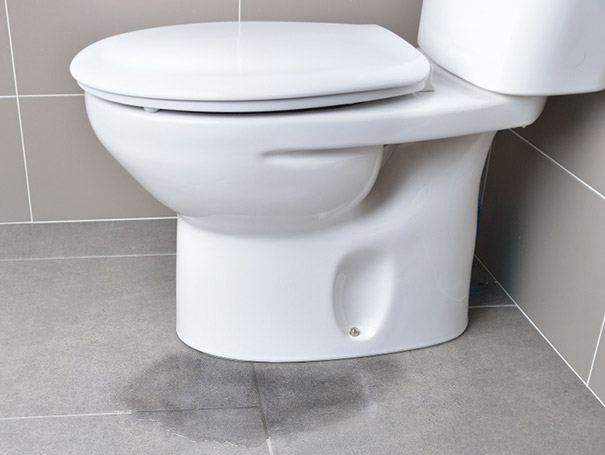
Sewage damage affects more than what you can see on the surface. Contaminated water spreads quickly through flooring, walls, and air, which means cleanup must address both visible damage and hidden exposure.
A proper Houston sewage damage cleanup service focuses on removing contamination, restoring safe conditions, and stopping long-term damage before it spreads further.
Sewage cleanup typically includes:
- Removal of sewage water and waste: Crews extract standing sewage and remove solid waste from affected areas such as basements, bathrooms, and crawl spaces.
- Containment of impacted areas: Technicians isolate the affected space to prevent sewage water and bacteria from spreading into clean areas of the property.
- Disposal of contaminated materials: Items that absorb sewage, such as carpet, padding, and certain building materials, are removed and safely discarded.
- Cleaning and sanitizing surfaces: All exposed surfaces receive detailed cleaning using professional-grade disinfectants designed for sewage damage and biohazard conditions.
- Drying and moisture control: Industrial equipment removes trapped moisture from floors, walls, and structural materials to prevent further damage.
- Air treatment and odor control: Airborne contaminants and odors are addressed to restore safe indoor air conditions.
Every step in this process supports safe and complete sewer backup cleanup, whether the issue starts from a broken sewer line, an overflow, or sewage backing up into a home.
What Makes Sewage Cleanup Different From Standard Water Damage?
Sewage cleanup requires a different approach than clean water damage.
- Sewage contains bacteria, waste, and contaminants that require biohazard handling
- Materials exposed to sewage often cannot be restored
- Air contamination becomes a factor, not just surface damage
- Cleanup must follow Category 3 water standards, not general drying methods
This difference is why improper cleanup leads to recurring odor, hidden contamination, and repeat damage.
What to Do Immediately After a Sewage Backup
A sewage backup creates a health risk the moment it starts. The first steps you take can limit damage, reduce cleanup costs, and protect your insurance claim.
From experience, many homeowners make the situation worse by trying to clean it themselves or waiting too long to call for help. Acting quickly makes a measurable difference in how far the contamination spreads.
If you are dealing with sewage in your home, take these steps right away:
- Stay out of the affected area: Raw sewage carries harmful bacteria and airborne contaminants. Limit access to prevent exposure and cross-contamination.
- Stop the source if you can do it safely: Shut off water or avoid using plumbing fixtures if a sewer backup is active. This helps prevent additional overflow.
- Turn off HVAC systems near the area: Air movement can spread contaminants through vents and into other rooms.
- Avoid contact with contaminated materials: Do not attempt to clean sewage water, especially in a basement or enclosed space. Standard household cleaning does not remove sewage contamination.
- Document the damage: Take clear photos and videos before cleanup begins. This step helps support your insurance claim and can impact your final settlement.
- Call a professional sewage cleanup team: A certified crew can handle emergency sewage cleanup and start containment before the damage spreads further.
Many calls we receive for Houston sewage damage cleanup start after a delay or failed DIY attempt. By that point, sewage has often spread under flooring or into walls, which increases both risk and cost.
Taking the right steps early helps protect your property and keeps the cleanup process under control before restoration begins.
What to Do Immediately After a Sewage Backup
A sewage backup creates a health risk the moment it starts. The first steps you take can limit damage, reduce cleanup costs, and protect your insurance claim.
From experience, many homeowners make the situation worse by trying to clean it themselves or waiting too long to call for help. Acting quickly makes a measurable difference in how far the contamination spreads.
If you are dealing with sewage in your home, take these steps right away:
- Stay out of the affected area: Raw sewage carries harmful bacteria and airborne contaminants. Limit access to prevent exposure and cross-contamination.
- Stop the source if you can do it safely: Shut off water or avoid using plumbing fixtures if a sewer backup is active. This helps prevent additional overflow.
- Turn off HVAC systems near the area: Air movement can spread contaminants through vents and into other rooms.
- Avoid contact with contaminated materials: Do not attempt to clean sewage water, especially in a basement or enclosed space. Standard household cleaning does not remove sewage contamination.
- Document the damage: Take clear photos and videos before cleanup begins. This step helps support your insurance claim and can impact your final settlement.
- Call a professional sewage cleanup team: A certified crew can handle emergency sewage cleanup and start containment before the damage spreads further.
Many calls we receive for Houston sewage damage cleanup start after a delay or failed DIY attempt. By that point, sewage has often spread under flooring or into walls, which increases both risk and cost.
Taking the right steps early helps protect your property and keeps the cleanup process under control before restoration begins.
Common Causes of Sewage Backups in Houston Homes
Most sewage problems do not start where you see them.
A toilet overflow or sewage in a basement usually points to a deeper issue in the line. In Houston, those issues follow a pattern tied to the environment, not just plumbing mistakes.
We see the same root problems across homes and commercial properties:
Houston’s weather puts pressure on sewer systems. Heavy rain can overwhelm drainage lines fast. This often overlaps with storm-related water damage situations. When that happens, wastewater has nowhere to go. It pushes backward into the lowest point of a property. That is why many calls involve sewage cleanup in ground-level rooms after storms.
Underground movement also plays a role. The soil in Houston expands when wet and contracts when dry. That constant shift stresses pipes under slabs and yards. Over time, lines crack or separate. A broken sewer line under a house often goes unnoticed until sewage starts backing up inside.
Tree roots create another common problem. They grow toward moisture and enter small openings in pipes. Once inside, they expand and trap debris. This turns into a blockage that leads to slow drainage, then full sewer backup cleanup situations.
In many cases, the issue builds over time. Grease, paper products, and debris collect inside the line. Pressure increases with each use of sinks, showers, and toilets. Eventually, the system fails and sewage flows back into the property.
Then there are main line failures. A damaged or blocked main sewer line can affect multiple properties at once. These situations often cause sudden and severe sewage water damage, even in homes with no prior plumbing issues.
From experience, the most expensive Houston sewage damage cleanup jobs happen when the cause stays hidden too long. A slow problem turns into a full contamination event.
Identifying the source early helps control both the cleanup scope and the repair cost.
Health Risks of Sewage Contamination (Category 3 Water)
When people call about a sewage backup, the first thing they usually mention is the smell or the mess. The real issue sits behind that.
Sewage falls into the highest contamination category. It carries waste from multiple sources, which means bacteria, viruses, and chemical pollutants all mix together. Once it enters a home, it does not stay contained to one spot. It spreads through materials, air movement, and foot traffic.
One of the biggest risks shows up in the air. As sewage water sits or begins to dry, particles lift into the air. That is why even a small sewage clean up situation can affect rooms that never had visible water. People often notice headaches or irritation before they realize what is happening.
Another problem comes from how materials react. Flooring, drywall, and furniture absorb contaminated water fast. Even if the surface looks clean, sewage can stay trapped underneath. We have seen cases where homeowners tried cleaning after a sewer backup, only for odors and contamination to return days later. In many cases, this also increases the risk of mold growth if not handled correctly.
There is also the issue of exposure time. The longer sewage sits, the more it spreads and the harder it becomes to control. A delayed sewer backup cleanup often leads to a larger restoration scope because contamination moves beyond the original area.
Some groups face higher risk right away. Kids and pets tend to come into contact with surfaces more often. Older adults may react more strongly to airborne contaminants. That is why we advise keeping people out of the space until proper sewage remediation is complete.
From experience, the danger is rarely obvious at first. Many Houston sewage damage cleanup jobs start with what looks like a small overflow. Once we begin inspection, we find contamination under flooring, inside walls, or moving through adjacent areas.
That is the difference between surface cleaning and professional cleanup. One removes what you see. The other addresses what spreads.
Let CWF Get Your Home or Business Back to Normal
Call Now to Speak With an Expert!
Our Sewage Cleanup and Restoration Process
Every sewage job follows a clear sequence, but the details shift based on where the damage started and how far it spread. The goal stays the same: remove contamination, stabilize the structure, and return the space to a safe condition.
Initial Inspection and Containment
We start by identifying the source and mapping how far the sewage has traveled. In many cases, sewage backing up into a bathroom has already moved beyond the visible area.
We use moisture mapping tools and containment barriers with negative air pressure when needed to control airborne contamination. This step limits cross-contamination and protects the rest of the property.
Sewage Removal and Extraction
Next, we remove standing sewage and waste.
This includes:
- Raw sewage water
- Solid debris from backups or overflows
- Contaminated water trapped in low areas
Whether it is a sewer overflow cleanup or a broken pipe under the home, full extraction is required before antimicrobial treatment can begin and before contamination spreads deeper into materials.
Removal of Contaminated Materials
Some materials cannot be saved after sewage exposure.
We remove items like:
- Carpet and padding
- Sections of drywall
- Insulation and soft materials
This step is often where the scope of a sewage damage cleanup becomes clear. Removing compromised materials prevents future odor and health issues.
Deep Cleaning and Sanitization
We apply EPA-registered antimicrobial treatments designed for sewage contamination. This step targets bacteria, viruses, and organic waste left behind after extraction. All cleaning follows Category 3 water remediation standards, not general cleaning methods.
Drying and Moisture Control
Even after cleanup, moisture remains inside materials.
We place drying equipment to:
- Pull moisture from flooring and framing
- Stabilize the environment
- Prevent secondary damage
We monitor drying with moisture readings to confirm materials reach safe levels, not just surface dryness. This step is essential in Houston, where humidity can slow drying and worsen conditions.
Final Inspection and Clearance
We verify that moisture levels, contamination risk, and odor sources have been fully addressed. The goal is not visual cleanup. The goal is a safe and stable environment ready for normal use or repairs.
Every Houston sewage damage cleanup job follows this structure, but no two properties respond the same way. The process stays controlled so nothing gets missed and nothing spreads beyond the original problem.
Let CWF Get Your Home or Business Back to Normal
Call Now to Speak With an Expert!
What Can Be Saved vs. What Must Be Removed
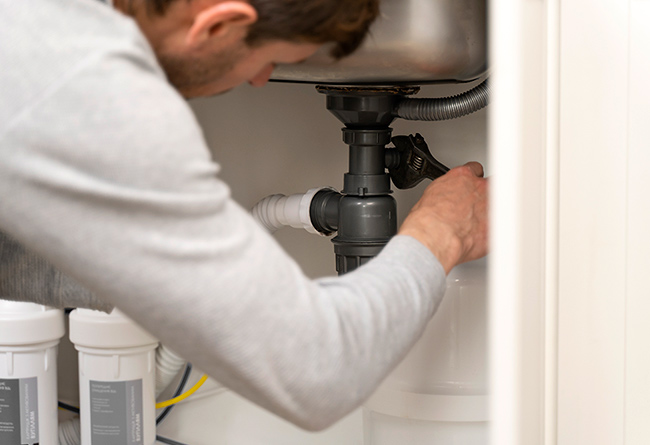
After a sewer backup, the condition of each material matters more than how it looks. Sewage water soaks into porous surfaces and leaves contamination behind, even after drying. The goal during Houston sewage damage cleanup is to remove anything that cannot be made safe and restore what can.
Materials that usually need removal:
- Carpet and padding exposed to sewage
- Drywall and insulation below the affected area
- Upholstered furniture and mattresses
- Items that sat in standing sewage water
Materials that can often be restored:
- Tile, concrete, and other sealed surfaces
- Structural wood after proper cleaning
- Some hardwood flooring, depending on exposure
- Contents with limited or no absorption
In many sewer backup cleanup jobs, the line between saving and removing comes down to how long the sewage sat and how deep it spread. What looks minor on the surface can require removal underneath.
We make those calls on-site and document everything to support the full scope of sewage damage restoration, especially when insurance is involved.
Sewage Odor Removal and Air Quality Control
Smell is usually the first thing people notice. It is also the last thing to fully go away if the cleanup is incomplete.
Sewage odor does not come from one source. It comes from what gets left behind — inside materials, under flooring, and in the air itself. That is why basic cleaning or deodorizing sprays never solve the problem in a real sewage cleanup situation.
We approach odor as a signal, not just a nuisance.
If there is still a smell, something still needs to be addressed.
In many sewer backup cleanup jobs, odor lingers because contamination sits below the surface. It can stay trapped in subfloors, wall cavities, or areas like a crawl space. This is common in homes where sewage water spreads quietly under materials before it becomes visible.
Air quality also shifts during these events. As moisture evaporates, it can carry contaminants into the air. That is why some people notice irritation or discomfort even after visible sewage damage looks cleaned.
To correct this, we focus on two things at the same time:
- Removing the source of the odor
- Cleaning and stabilizing the air inside the property
This may involve targeted treatment in affected areas, controlled air movement, and filtration designed for sewage remediation environments.
In enclosed areas like a basement or under a home, odor tends to settle and recycle. That is why crawl space sewage cleanup and lower-level jobs often require more attention to air control.
From experience, if odor control is rushed or treated as a final step, it comes back. When it is handled as part of the full cleanup, the space returns to normal without lingering issues.
Clean air is part of a complete Houston sewage damage cleanup, not an add-on at the end.
Insurance Coverage for Sewage Damage in Houston
Most property owners assume their insurance will cover a sewer backup. That is not always the case.
Coverage depends on how the damage happened, what your policy includes, and how the claim is documented from the start. This is where many sewage damage cleanup claims lose value or get denied.
What insurance usually looks for
Insurance companies focus on cause first.
They typically separate:
- Sudden sewer backups inside the home
- Gradual issues like long-term leaks or neglect
- Flood-related events tied to external water sources
A standard policy may cover a sewer backup cleanup, but only if you have the right endorsement. Flood-related sewage often falls under a different policy entirely.
Where claims run into problems
We see the same issues come up during Houston sewage damage cleanup claims:
- Damage is not documented before cleanup starts
- The source of the sewage is unclear or disputed
- The scope of contamination is underestimated
- Necessary material removal is questioned or denied
Insurance carriers often try to limit what they pay for, especially when it comes to demolition, drying, and full sewage remediation.
How we support your claim
We approach every job with documentation in mind.
That includes:
- Photos and records of affected areas
- Clear identification of contaminated materials
- Moisture readings and damage mapping
- Justification for removal and cleaning decisions
We communicate directly with adjusters to show the full scope of the sewage damage restoration work. This helps prevent underpaid claims and reduces back-and-forth delays.
Why this matters early
The claim starts the moment the damage happens, not when paperwork is filed.
Decisions made during the first visit can impact:
- What gets approved
- How much is covered
- How long the process takes
From experience, clients who bring us in early during a sewage backup cleanup have stronger claims and fewer issues with coverage. Insurance is not just part of the process. It shapes how the entire cleanup and restoration moves forward.
Residential and Commercial Sewage Cleanup Services
Not every sewage loss looks the same, and the response should not either.
A backup in a home creates one set of problems. A backup in a business creates another. The cleanup approach, timing, and priorities shift based on how the space is used.
We handle both, but the way we move through each job reflects the situation.
In residential settings, the focus stays on safety and livability. Most calls involve sewage cleanup in basement areas, bathrooms, or lower levels where backups surface first. The priority is to remove contamination, protect unaffected areas, and get the home back to a condition where it can be safely occupied.
In commercial environments, time becomes a major factor. A sewage issue in a retail space, office, or restaurant can interrupt operations immediately. In these cases, sewer backup cleanup often runs on a tighter schedule, with planning around access, business hours, and safety requirements for employees and customers.
There is also a difference in scale.
Residential jobs often stay contained to specific rooms or sections of a home. Commercial losses can involve larger areas, shared plumbing systems, or multiple units affected at once. This changes how sewage removal services are set up and how crews move through the property.
One thing stays consistent across both.
The cleanup must be controlled, documented, and thorough. Whether it is a home or a business, incomplete Houston sewage damage restoration leads to the same problems later — odor, contamination, and repeat damage. We adjust the approach based on the property, not the other way around.
How Much Does Sewage Cleanup Cost in Houston?
Sewage cleanup cost is one of the first questions people ask, but the answer depends on what actually happened on-site.
Two homes can both have a sewer backup, yet the scope of Houston sewage damage cleanup can look completely different once inspection starts. The price follows the damage, not the event.
What drives sewage cleanup cost
Instead of a flat number, we look at a few key factors that shape the total:
- Extent of contamination: A small overflow in one room costs far less than sewage that spreads through multiple areas or levels.
- Type of affected materials: Hard surfaces clean faster. Porous materials like carpet, drywall, and insulation often require removal.
- Location of the backup: A sewage cleanup in basement or crawl space often costs more due to limited access and trapped contamination.
- Duration of exposure: The longer sewage sits, the deeper it spreads. Delayed cleanup increases both labor and material removal.
- Source of the problem: A simple blockage differs from a broken sewer line under a house or slab, which may require added repair coordination.
Typical cost ranges
From experience across Houston properties:
- Small, contained sewage clean up service: lower range
- Moderate sewer backup cleanup with material removal: mid range
- Large-scale sewage damage restoration with structural impact: higher range
We avoid quoting exact numbers without inspection because surface conditions often hide deeper issues.
Where costs increase quickly
Some situations push costs higher faster than expected:
- Sewage water spreading under flooring
- Contamination inside walls or insulation
- Crawl space sewage cleanup under the home
- Repeated backups that were not fully resolved
- Odor issues that require extended air treatment
These cases often start as simple sewer cleanup services near me calls but expand once we uncover hidden damage.
Most people want a number upfront. The better approach is clarity.
We show you exactly what needs to be done, why it matters, and how it impacts both cleanup and coverage.
What Impacts How Far Sewage Damage Spreads
Small backups turn into large cleanup jobs when contamination moves beyond the original area.
The spread depends on:
- How long the sewage sits before cleanup starts
- Whether it reaches porous materials like carpet or drywall
- Air movement through HVAC systems
- Water traveling under flooring or into wall cavities
Once sewage moves out of the original space, cleanup shifts from removal to full sewage remediation.
Why Houston Property Owners Choose CWF Restoration
Sewage cleanup is not just about removing water. It is about controlling contamination, protecting your property, and making sure the problem does not return. The difference shows in how the cleanup is handled from the first visit.
We focus on what matters most during a Houston sewage damage cleanup:
- Fast response to limit spread and reduce damage
- Clear documentation to support your insurance claim
- Proper removal of contaminated materials, not surface cleaning
- Straightforward communication from start to finish
The goal stays simple. Fix the problem fully, and avoid repeat issues later.
Service Areas Across Houston
We respond across the Houston area with crews positioned to handle emergency sewage cleanup without long delays. Location matters in these situations. Faster arrival helps limit spread, reduce damage, and keep the cleanup controlled.
You will see us working in:
- Central Houston
- Katy
- Sugar Land
- The Woodlands
- Cypress
- Pearland
- Pasadena
If you are searching for sewage cleanup near me or sewer cleanup services near me, we likely already serve your area.
For properties just outside these locations, we still provide Houston sewage damage cleanup depending on access and urgency.
Trusted by Over 10,000 Homeowners and Business Owners Since 1988
Related Services
Water Damage
-
Pipe bursting, flooding, or sewer clogging
-
Drying and cleaning
-
Restoration and reconstruction
Carpet Drying & Cleaning
-
Carpet cleaning & sanitizing
-
Carpet drying
-
Carpet stretching
Mold Remediation
-
Mold damage inspection
-
Removal of mold and infested materials
-
Cleanup of contents and belongings
Let CWF Get Your Home or Business Back to Normal
Call Now to Speak With an Expert!
The Certified Water & Fire Difference
Check Out What Certified Water & Fire Will Do for You Compared to the Competition
Certified Water
& Fire Restoration:
-
Free Onsite Estimates 24/7
-
Phones Answered Live 24/7
-
No Minimum Charge
-
Payment Terms That Work For You
-
30-60 Minute Response
-
2 Year Warranty

Other Companies:
- $250 for an Estimate
- Answering Service/Machine
- $500 Minimum Charge
- Deductible or Full Payment Upfront
- 2 Hour Response Time
- 1 Year Warranty
Get Immediate Help for Sewage Cleanup in Houston
Sewage damage does not stay contained. The longer it sits, the more it spreads through materials, air, and nearby areas. Quick action limits how far contamination spreads and helps control both cleanup cost and insurance outcomes.
If you are dealing with a sewer backup, overflow, or raw sewage spill, we are ready to respond.
Call now for emergency sewage cleanup. Request service online and get a fast response.
We handle everything from initial sewage removal to full restoration, and we document the process to support your insurance claim from the start.
Let CWF Get Your Home or Business Back to Normal
Call Now to Speak With an Expert!